


ما هي فلاتر الأشعة فوق البنفسجية العضوية وكيف تعمل
تعريف فلاتر الأشعة فوق البنفسجية العضوية في واقي الشمس
فلتر الأشعة فوق البنفسجية العضوية يتكون من المواد القائمة على الكربون التي تظهر في واقي الشمس لامتصاص الأشعة فوق البنفسجية (الأشعة فوق البنفسجية). على عكس المرشحات المعدنية أو غير العضوية ، والتي تمنع وتشتت ضوء الشمس بشكل رئيسي ، تعمل هذه المرشحات الأشعة فوق البنفسجية العضوية على المستوى الجزيئي. الفلاتر تغير الأشعة فوق البنفسجية الضارة إلى حرارة آمنة. هذه الطريقة تسمح لهم بتقديم حماية قوية من الشمس. في الوقت نفسه ، يتجنبون ترك علامة بيضاء على الجلد.
غالبا ما تتميز هذه الفلاتر في منتجات واقي الشمس الكيميائية. هذا بسبب مظهرها الواضح والشعور السلس. ونتيجة لذلك ، فإن هذا النوع من بدلة الفلتر التطبيق اليومي ، ومنتجات الوجه ، واستخدامها تحت مستحضرات التجميل.
شنغهاي BFP New Material Co.، Ltd. توفر مختلف فلاتر الأشعة فوق البنفسجية العضوية. هذه تشكل أجزاء رئيسية من المواد الواقية من الشمس. ويشمل الاختيار كل من فلاتر UVA و UVB. كل منها لها تصاميم كيميائية فريدة ومستويات فعالية.
كيف تحمي فلاتر الأشعة فوق البنفسجية العضوية الجلد
التكوين الكيميائي لكل مرشح فوق البنفسجية العضوي يحدد ما إذا كان يتناول بشكل رئيسي أشعة UVA أو UVB. أو قد تتعامل مع كلاهما. من خلال استيعاب هذه الأشعة ، تمنع الفلاتر من دخول الجلد. وهذا يمنع الضرر لخلايا الجلد.
هذه العملية تقلل من احتمال تغييرات الحمض النووي، والحروق من الشمس، وعلامات الشيخوخة المبكرة مثل الخطوط والبقع المظلمة. لتعزيز الدفاع ضد مجموعة كاملة من أشعة الأشعة فوق البنفسجية، غالبا ما يخلط صانعو هذه الفلاتر العضوية. في بعض الأحيان ، يربطونها بمرشحات الأشعة فوق البنفسجية المعدنية.
على سبيل المثال ، يعطي Bisoctrizole (BFP-SP M) تغطية واسعة للأشعة فوق البنفسجية. يأخذ ضوء الأشعة فوق البنفسجية ويرتد مرة أخرى ضوء الأشعة فوق البنفسجية. ويحدث هذا بسبب حجم الجسيمات العضوية الصغيرة.
أي مكونات في واقي الشمس العضوي تعمل كمرشحات الأشعة فوق البنفسجية
أمثلة على مكونات فلتر الأشعة فوق البنفسجية العضوية الشائعة
هناك بعض العضوية وتشمل هذه مركبات مثل Oxybenzone و Octinoxate. أمثلة على الفلاتر:
| بيموتريزينول (BFP-SP S) | فلتر الأشعة فوق البنفسجية واسع الطيف مع استقرار ضوئي ممتاز. | واقيات شمسية مقاومة للماء عالية SPF |
| ديثيلامينو هيدروكسيبنزويل هيكسيل بنزوات (BFP-SP DHHB) | فلتر UVA يقدم حماية ممتازة في تركيزات منخفضة. | العناية بالوجه طويلة الأمد ومنتجات مضادة للشيخوخة |
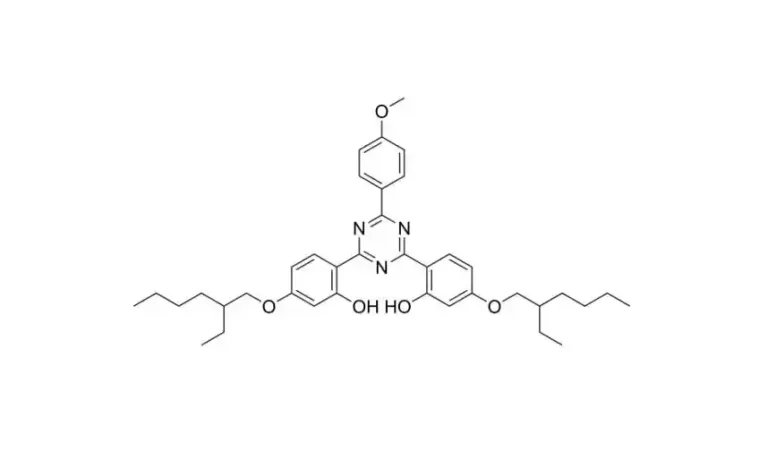
| إيثيلهيكسيل تريازون (BFP-SP EHT) | امتصاص UVB فعال للغاية مع استقرار ضوئي ممتاز. | واقي الشمس عالي SPF والشاطئ |
| بيسوكتريزول (BFP-SP M) | طيف واسع؛ يمتص ويعكس | كريمات عالية SPF |
كل من هذه المواد تلعب دورا واضحا في الدفاع عن الشمس. على سبيل المثال ، يمتص Ethylhexyl Triazone (BFP-SP EHT) الأشعة فوق البنفسجية بشكل فعال ويقدم استقرار ضوئي ممتاز ، مما يجعله مثاليًا للواقي الشمسي عالي SPF والشاطئ.
تسليط الضوء على Bisoctrizole: فلتر عضوي حديث
بيسوكتريزول (BFP-SP M) يعمل كجهاز قادر للغاية ، ومطحن بدقة ، ومستقر للضوء UVA. يعمل على حد سواء كمرشح عضوي وعلى أساس الجسيمات. هذه المادة توفر الدفاع عن الشمس ثلاثي الاتجاهات. يأخذ ضوء الأشعة فوق البنفسجية، ينتشر ويرتد ضوء الأشعة فوق البنفسجية، ويأخذ الضوء الأزرق.
الحد الأدنى من دخوله إلى الجلد يقلل من الإزعاج لأولئك الذين لديهم بشرة حساسة. وبالتالي ، فهي تناسب بشكل جيد في سلع العناية الشخصية.
كيف مقارنة فلاتر الأشعة فوق البنفسجية العضوية والمعدنية
الاختلافات الرئيسية بين واقي الشمس العضوي والمعدني
| سحر واقيات الشمس الكيميائية | امتصاص وتحويل الأشعة فوق البنفسجية إلى حرارة | تعكس وتشتت الأشعة فوق البنفسجية |
| المكونات | Bemotrizinol، Octinoxate، Bisoctrizole | أكسيد الزنك، ثاني أكسيد التيتانيوم |
| النسيج | خفيفة الوزن وشفافة | سميك |
| ما مدى فعالية بيسوكتريزول وأكسيد الزنك في حماية الأشعة فوق البنفسجية واسعة الطيف؟ | يختلف حسب المركب | مستقرة بشكل عام |
شنغهاي BFP تقدم كلا النوعين من الفلاتر. هذا يعطي الخيارات للمصنعين الذين يرغبون في جعل واقي الشمس مع bisoctrizole. للاحتياجات المعدنية ، تشمل الخيارات ثاني أكسيد التيتانيوم (BFP-T10AHL ، BFP-T20SD) أو أكسيد الزنك (BFP-Z40S ، BFP-Z40SM).
هذا الاختيار المتنوع يضمن أن المصنعين يمكنهم اختيار المكونات الأكثر ملاءمة لتركيبات واقي الشمس الخاصة بهم.
الاختيار بين الخيارات العضوية والمعادنية
يختار الناس بين الفلاتر العضوية والمعادنية وفقا لمتطلباتهم الفردية. أولئك الذين لديهم بشرة حساسة يميلون إلى اختيار واقي الشمس المعدني الذي يحتوي على أكسيد الزنك. الناس الذين يريدون واقي شمسي خفيف الوزن الذي لا يظهر على بشرتهم يميلون إلى اختيار المنتجات العضوية.
يحتوي واقي الشمس الحديث على فلاتر عضوية ومعدنية كمكونات نشطة رئيسية. مزيج من هذين المكونين يوفر فوائد حماية كاملة للمستخدمين. توفر الفلاتر العضوية حماية كاملة ضد الشمس ، وتخلق المعادن حماية فورية ضد الشمس.
نصائح لتقييم قوائم المكونات بفعالية
المشترين أحيانًا يخلطون بين "العضوية" و "الطبيعية" أو "العضوية المعتمدة". في واقي الشمس، يشير "العضوية" إلى المكياج القائم على الكربون للمرشحات الكيميائية. للحصول على السلامة الكاملة، حدد دائما العناصر التي تم تحديدها على أنها "طيف واسع". وهذا يعني أنها تغطي كل من أشعة الأشعة فوق البنفسجية والأشعة فوق البنفسجية.
عند التحقق من علامات واقي الشمس:
- تحديد المكونات النشطةابحث عن أسماء مثل Bemotrizinol (BFP-SP S)
، Diethylamino Hydroxybenzoyl Hexyl Benzoate (BFP-SP DHHB) ، أو Ethylhexyl Triazone (BFP-SP EHT).
- تحقق من التركيزاتفلاتر مثل Ethylhexyl Triazone تقدم فعالية عالية حتى عند نسب منخفضة بسبب امتصاصها القوي عند 314 نانومتر (Ethylhexyl Triazone / BFP-SP EHT).
كيف تؤثر اتجاهات الحماية الطبيعية من الشمس على خيارات الفلتر
التوازن بين الفعالية والمسؤولية البيئية
تحاول العلامات التجارية تحقيق أهدافها الخضراء مع الحفاظ على قوتها السوقية. وتتيح لهم الطرق التالية تحقيق هذا الهدف:
- إزالة المكونات المشكلة من منتجاتها من خلال إعادة صياغة المنتج.
- تنفيذ فلاتر Diethylamino Hydroxybenzoyl Hexyl Benzoate (BFP-SP DHHB) لأنها توفر حماية ممتازة عند مستويات الاستخدام المنخفضة.
- تحقيق الاستدامة البيئية من خلال مزيجات هجينة من المعادن العضوية التي توفر أقصى قدر من الحماية.
أسئلة متكررة
س: ما هي فلاتر الأشعة فوق البنفسجية العضوية في واقي الشمس؟
ج: تشمل القائمة Bemotrizinol (BFP-SP S) ، Diethylamino Hydroxybenzoyl Hexyl Benzoate (BFP-SP DHHB) ، Ethylhexyl Triazone (BFP-SP EHT) و Bisoctrizole (BFP-SP M).
س: هل فلاتر الأشعة فوق البنفسجية العضوية آمنة للبشرة الحساسة؟
ج: نعم ، وخاصة المرشحات مثل Bisoctrizole ، والتي لها اختراق منخفض للجلد وأقل احتمالًا للتسبب في التهيج.
س: هل "العضوية" على علامات واقي الشمس هي نفسها الطبيعية أو المعتمدة على البيئة؟
ج: لا. في هذا السياق، تعني "العضوية" الكيمياء القائمة على الكربون بدلاً من المصادر العضوية المعتمدة.
س: كيف أعرف ما إذا كان واقي الشمس يوفر حماية واسعة الطيف؟
ج: ابحث عن علامات الطيف الواسع ، والتي يجب أن تتضمن فلاتر UVA و UVB مثل البنزوات و Ethylhexyl Triazone في قائمة المكونات الخاصة بهم.