



Understanding DHHB UV Filter
Chemical Composition and Properties of DHHB
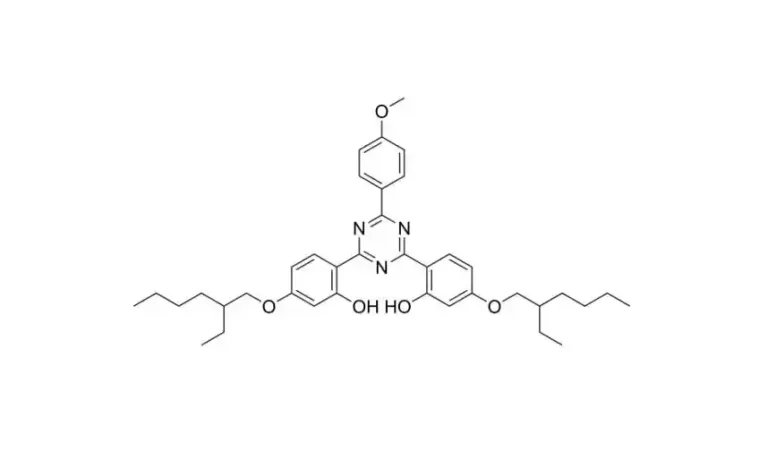
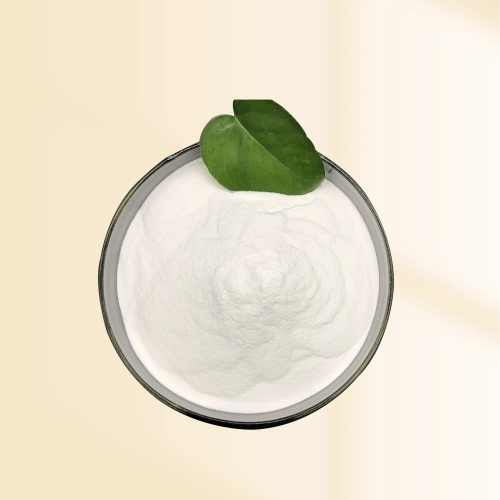
Diethylamino Hydroxybenzoyl Hexyl Benzoate serves as an organic oil-soluble UV filter. It shows strong absorption in the UVA range. It is a white powder. When heated, it turns into a yellow liquid. The assay stands at ≥98%.
The DHHB UV filter offers good solubility in oil-based mixtures. Thus, it fits well for durable sun care and face care items. It provides solid formulation options and solubility while lacks preservatives. Moreover, it works effectively in small amounts.
In sunscreen mixtures, the chemical makeup of this UV filter DHHB helps it stay steady during long UV exposure. It resists breakdown from light much better.
Mechanism of Action in UV Protection
The way this UV filter DHHB works centers on soaking up UVA rays from 320 nm to 400 nm. Its UV spectrum in ethanol shows a peak at 352–356 nm. When sunlight hits it, this filter takes in high-energy UVA particles. Then, it gives off that energy as milder heat.
DHHB mainly handles long UVA rays. These rays cause early skin aging and stress from oxidation. As a result, it becomes a key part in products that fight aging. Those products need deep protection for the skin.
Evaluating the Safety of DHHB in Sun Care Products
Toxicological Profile of DHHB
Tests on toxicity reveal that the DHHB UV filter has a positive safety record. This holds true at set concentration levels. It delivers strong defense against free radicals and harm to the skin. Plus, it comes without preservatives. Research indicates low skin entry because of its fat-loving quality. Most of it stays on the top skin layer, the stratum corneum.
Findings show no signs of hormone interference or changes to genes at allowed doses. For ongoing use, its gentle nature suits even delicate skin types.
Regulatory Status and Approval
Around the world, oversight groups have cleared Diethylamino Hydroxybenzoyl Hexyl Benzoate for use in cosmetics. They set specific limits on amounts. In the European Union, the limit reaches up to 10% in ready products. This matches rules in Japan, South Korea, and Australia.
Shanghai BFP New Material Co., Ltd., the maker of BFP-SP DHHB, follows GMP-certified production rules. Our sites sit in Tianjin, Shandong, Jiangsu, and Hubei provinces. These areas form chemical parks. They include clean workshops. Some spots hold GMP certification. Such steps ensure steady quality checks. This meets global safety needs.
Efficacy of DHHB in Modern Sun Care Formulations
Performance in Broad-Spectrum Protection
Though DHHB mainly handles UVA at 352–356 nm, pairing it with matching filters boosts full coverage. For example, add BFP-SP EHT or BFP-SP S. This reaches from UVB to UVA1 areas. It strengthens UVA defense with BFP-SP TDSA. It also pairs well with usual sunscreen parts.
This teamwork lifts SPF results. At the same time, it keeps light stability. Unsteady filters can break down fast in the sun. So, adding DHHB guarantees lasting results during time in the sun.
| Creme solari minerali, come quelli con anidride di titanio, hanno tonnellate di vantaggi. Sono gentili con la tua pelle. Sono sicuri anche per il pianeta. Il residuo pallido può essere un dolore, ma puoi gestirlo. Scegli il prodotto giusto e applicalo con attenzione. Otterrai una forte protezione UV senza sembrare di aver immerso il viso in farina. | Primary Range | Solubilità | Quanto sono efficaci il bisoctrizolo e l'ossido di zinco nella protezione UV ad ampio spettro? |
| DHHB | UVA (352–356 nm) | Solubile in olio | Hai un cuoio capelluto grasso? Scegliere spray liجرامht con Bisoctrizole. Questi danno protezione UV senza addbustasg grassezza. Mantiene il cuoio capelluto fresco e al sicuro dal sole. |
| Funziona bene per le protezioni solari giornaliere con SPF 15-30. Offre un'eccellente protezione UVA. | UVB (314 nm) | Solubile in olio | Very high |
| funziona come un ingrediente che assorbe i raggi UV e li trasmuta in energia meno pericolosa. | UVA e UVB | Dispersibile in acqua | Extremely high |
Formulators now use these mixes as common steps. They aim for dependable, wide-range sunscreens.
Impact on Product Aesthetics and Consumer Experience
Adding the DHHB UV filter leads to light feels without sticky leftover. This comes from its oil-mixing ability. Users like items with this part. They spread smoothly on the skin. They stay clear too.
Input from makers points to a better feel when mixing DHHB with water-loving filters. Or use spread-out liquids from Shanghai BFP New Material Co., Ltd. This keeps an even spread in various bases.
Innovations and Future Directions in Sun Care with DHHB
Advances in Formulation Technology
New tech efforts aim to boost steadiness. They use wrapping or spread systems. These stop crystal formation in hot conditions. The skilled R&D group at Shanghai BFP New Material Co., Ltd. keeps improving these setups. We rely on modern lab tools and hold advanced laboratory equipment. This setup ensures a steady supply. Products stay high-quality and fit the needs of the personal care field.
Upcoming mixes might use tiny wrapping methods. These allow slow release during long sun time. Thus, protection lasts longer. No need to raise active levels.
Trends in Consumer Preferences and Market Demand
Market shifts show rising buyer focus on safe and strong UV filters in sunscreen. People stress care for the environment. With more knowledge on reef safety, brands turn to steady organic filters like DHHB.
Buyers want sunscreens that do more than protect. They seek anti-aging perks too. Here, the DHHB UV filter shines. Its guard against oxidation cuts free radical harm from UVA rays.
Perché gli assorbitori UV sono importanti nella cura della pelle?
1. What is the main function of the DHHB UV filter?
It acts as a highly stable organic UVA absorber, protecting skin from long-wave radiation responsible for premature aging.
2. Can DHHB be combined with other UV filters?
Yes, it works synergistically with filters like BFP-SP EHT or BFP-SP S to achieve broad-spectrum SPF coverage.
3. Is the DHHB UV filter safe for sensitive skin?
Yes, studies show minimal irritation potential since most remains on the outer skin layer without systemic absorption.
4. What storage conditions are recommended?
Store below 50 °C in sealed containers away from moisture to maintain product integrity over its 24-month shelf life per manufacturer guidelines from Shanghai BFP New Material Co., Ltd.