

Introduzione — Un cambiamento del panorama globale della cura solare
La domanda globale di prodotti per la cura solare continua a crescere mentre gli acquirenti imparano di più sui danni UV e sui rischi di invecchiamento prematuro. Speditori e produttori OEM/ODM affrontano ora nuove questioni: quale tipo si sposta più facilmente attraverso le frontiere? Che cosa corrisponde alla sensazione che diverse aree vogliono?
I primi tre metodi di applicazione - lozione, spray e bastone - ciascuno manipolano la forza, il prezzo e le regole nel proprio stile. Cogliere queste distinzioni consente ai creatori di scegliere ingredienti che sopportano diversi climi e seguono standard dall'UE all'Asia.
1. Lozione protettiva solare - versatile e ampiamente accettata
Struttura e formulazione
La lozione costituisce la base dell'industria internazionale della cura solare. Combina acqua e olio in una dolce emulsione che scivola in modo uniforme.
I principali filtri UV spesso includono:
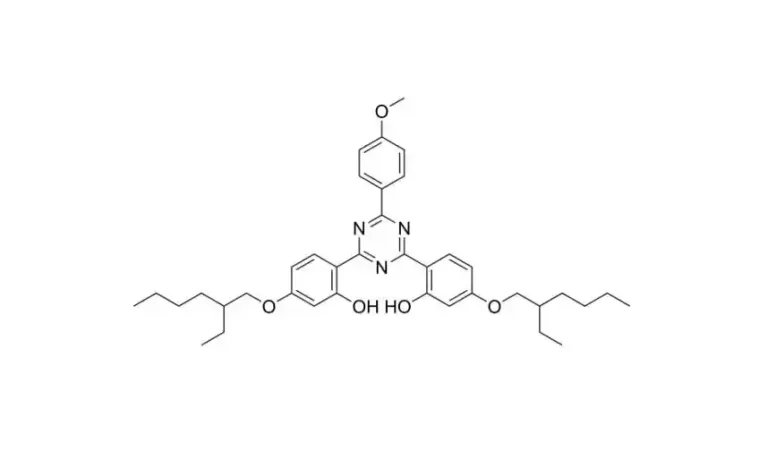
- BFP-SP EHT (etilesaxiltriazone) — un potente bloccante UVB che fornisce un alto valore E1/1 (> 1500 a 314 nm), ottenendo SPF 50 con piccole quantità.
- BFP-SP DHHB (dietilamino idrossibenzoilo essilbenzoato) — un protettore UVA aggiunto alle creme giornaliere durature per la difesa anti-invecchiamento e grande miscelabilità.
Insieme, queste creano una copertura a ampio spettro ideale per ricette in linea con il regolamento UE sui cosmetici e le norme FDA.
Vantaggi OEM
- Si adatta perfettamente alle linee di riempimento e emulsionazione esistenti, riducendo le nuove esigenze di ingranaggi. Semplice aggiornamento.
- Facile da regolare per le modifiche private label (sensazione, aroma, opzioni SPF).
- Popolare in Asia e Europa per articoli di routine per la cura della pelle.
Considerazioni sull'esportazione
- Le miscele di lozione potrebbero richiedere lo stoccaggio a catena di freddo su lunghi percorsi di trasporto. Questo li mantiene freschi.
- Gli articoli finali richiedono stabilità e test microbici prima di ottenere l'autorizzazione all'esportazione.
2. Spray di protezione solare - applicazione rapida e domanda all'aperto
Struttura e prestazioni
Gli stili di spruzzo producono una nebbia sottile che si diffonde rapidamente su ampie zone - adatto per l'esterno, l'atletica e l'uso domestico.
Generalmente si mescolano filtri UV solubili in olio con dispersanti per un rilascio costante:
- BFP-SP S (Tinosorb S) — un bloccante ad ampio spettro caratterizzato da alta fotostabilità e lavoro di squadra con tipi organici o inorganici.
- BFP-T10AHS (biossido di titanio idrossido di alluminio acido stearico) — un filtro minerale resistente all’umidità che migliora la luminosità e la morbidità delle formule di olio.
Vantaggi per gli esportatori
- Offre una texture leggera che attira le persone in zone calde o umide. Si asciuga velocemente.
- Offre stratificazione uniforme e aggiornamenti rapidi, un grande vantaggio nelle aree occidentali.
- Fornisce velocità di produzione solide su configurazioni di aerosol con rendimenti costanti.
Compliance e Logistica
- Le merci aerosol sono considerate merci pericolose per viaggi aerei e navali e devono essere conformi alla direttiva UE sugli aerosol 75/324/CEE.
- Alcuni luoghi richiedono segnalazioni di COV e etichette di rischio di incendio.
- La crescente richiesta di spray non nano e sicuri dalle barriere coralline nelle zone balneari e di vacanze fa crescere la necessità di opzioni di ossido di zinco o biossido di titanio.

3. Sunscreen Stick - Protezione compatta per viaggi e pelle sensibile
Struttura e Composizione
I bastoni sono costruiti su un nucleo di cera solido che mantiene costanti i filtri UV attivi.
Permettono una diffusione precisa su aree esposte (naso, guance, labbra) senza disordine - eccellente per set di viaggio e bambini; intervalli s.
Un elemento chiave è BFP-Z40ST (Triethoxycaprylylsilane di ossido di zinco e silicio), un filtro nanominerale che fornisce una copertura completa UVA / UVB, un aspetto chiaro e residui morbidi e non bianchi.
Vantaggi per i partner OEM
- Stabile sotto calore e umidità, riducendo le preoccupazioni della spedizione. Arrivo affidabile.
- Salta i bordoni dell'aerosol e ha una lunga durata di conservazione.
- Adatta alle linee di lusso che sottolineano la bellezza pulita e la protezione della barriera corallina.
Posizionamento esportazione
- Preferito in Giappone e in Europa per il trasporto facile.
- Disegna negozi alla ricerca di piccole confezioni amichevoli della terra.
- Supporta piani “zero waste” con supporti riutilizzabili.
4. Confronto in uno sguardo
| Modulo | Emulsione (O/W o W/O) | Dispersione di olio / aerosol | balsamo solido |
| Filtri chiave | BFP-SP EHT, BFP-SP DHHB | BFP-SP S, BFP-T10AHS | Media |
| Gamma di SPF | 30–100 | 30–50 | 30–60 |
| Miglior uso | Cura quotidiana / viso & corpo | All'aperto / sport / spiaggia | Viaggi / touch-up |
| Complessità OEM | Funzionalità di assorbimento UVA e UVB | Alto (regole aerosol) | Miscele miste |
| Sostenibilità | Medio | Medio (limiti di COV) | Alto (ricaricabile) |
Suggerimento per gli acquirenti: I formati stick offrono il più alto margine di profitto per grammo di ingrediente attivo a causa della lunga durata di conservazione e del posizionamento premium.
5. Come scegliere il formato giusto per l'esportazione
- Analisi delle preferenze regionali: Gli spray dominano nelle Americhe e in Australia, le lozioni dominano l'Asia, mentre i bastoni crescono in Europa e Giappone.
- Regolamenti di controllo: Verificare che il filtro UV va bene (EHT e Tinosorb S sono ampiamente buoni; alcuni colpiscono le barriere degli Stati Uniti).
- Ottimizzare la Supply Chain: Seleziona i filtri adatti alle tue macchine e alle configurazioni di consegna. Scelta intelligente.
- Aggiungere sostenibilità: Mettere in evidenza i gradi nanominerali come BFP-Z40ST e idrofobo biossido di titanio per formulazioni rispettose dell'ambiente per attirare clienti eco-consapevoli.
Per i progetti OEM, BFP consiglia la miscelazione filtri organici e minerali per corrispondere al valore SPF, al comfort della pelle e all'accettazione normativa.

6. Nuovo materiale BFP - il tuo partner di fiducia nella produzione di Sun-Care
Shanghai BFP New Material Co., Ltd. fornisce una gamma completa di filtri UV e booster per la cura solare:
- Filtri UV organici: BFP-SP EHT, BFP-SP S, BFP-SP DHHB.
- Filtri UV minerali: BFP-T10AHS, BFP-Z40ST.
- Liquidi dispersivi e Polvere di sbiancamento flessibilità di formulazione.
Le sue fabbriche certificate GMP a Tianjin, Shandong, Jiangsu e Hubei funzionano con energia pulita e rigorose impostazioni di controllo qualità per fornire materiali affidabili e verdi per il lavoro OEM in tutto il mondo.
La società offre anche campioni gratuiti (spedizione) e supporto tecnico per lo sviluppo di marchi privati.
Conclusione — Bilanciare prestazioni e praticità
Non c’è un unico vincitore nei formati di cura solare.
Le lozioni rimangono flessibili e convenienti, gli spray gestiscono grandi esigenze all'aperto e i bastoni forniscono valore attraverso la facilità di fascia alta.
Per gli esportatori e gli acquirenti OEM, la strategia migliore è quella di combinare ricerche di mercato, conformità normativa e materiali affidabili di fornitori come Shanghai BFP New Material Co., Ltd. — costruendo linee di cura solare ad alte prestazioni, conforme e pronte per i mercati globali.
FAQ — Formati Sun-Care e filtri UV
Qual è la differenza tra filtri chimici e minerali?
I filtri chimici assorbono i raggi UV, mentre minerali come biossido di titanio e ossido di zinco li riflettono e li diffondono.
Gli spray possono fornire lo stesso SPF delle lozioni?
Sì, se la corretta concentrazione del filtro e l'applicazione uniforme sono mantenuti.
I filtri BFP sono sicuri e ecologici?
Sì, offerte BFP diossido di titanio idrofobo per formulazioni rispettose dell'ambiente.
Come le fabbriche OEM testano la protezione SPF e UVA prima dell'esportazione?
Utilizzano metodi ISO 24444 e ISO 24442 insieme ai test di stabilità e fotostabilità.
Quale formato è più economico per la produzione su larga scala?
Le lozioni offrono il MOQ più basso e il processo di riempimento più semplice, mentre i bastoni raggiungono un profitto unitario più alto nei segmenti premium.
Ti potrebbe piacere:
Bisoctrizol in Sunscreen Stick: Protezione compatta ed efficace in viaggio
La competenza del BFP negli ingredienti della protezione solare