



スキンケアの分野では、サンスクリーンは有害な紫外線に対する重要なススススキールドとして役立ちます。人々がスキンケアのニーズに対する認識が高まるにつれて,ユーザーと製品開発者の両方は,サンクリーンの成分により注意を払っています.広範囲のサンスクリーンは、UVAおよびUVB線から保護します。このような製品は、適切な皮膚防御に不可欠です。しかしながら、1つの主要な質問が浮かび上がります:固体の広範囲のサンクリーンに必要なUVフィルターはどれくらいですか?この作品は、この問題を考えています。ミネラルおよび有機紫外線フィルターの役割を調べています。さらに、最近の日さささん防晒霜のクリエーションに適用されている新鮮な製品2つを指摘しています。
広範囲のサンスクリーンを理解する
広範囲のサンスクリーンは、UVAおよびUVB放射線から皮膚を守ることを目的としています。UVA線は皮膚に深く到達し、主に光老化とDNAの損傷を引き起こします。そのような影響はそのそのそのそのそのような効果をもたらす可能性があります。重度の場合、光線は皮膚がんにつながる可能性があります。対照的に、UVB線は皮膚の外層に影響し、日焼けを引き起こします。この種の光線は、皮膚がんのリスクも高まります。このため、両種類の放射線を阻止するサンクリーンミックスは非常に重要です。持続的な皮膚損傷を避けるのに役立ちます。同時に、健康な肌を支えます。
単一のUVフィルターは、UVAまたはUVB線のいずれかを処理することができます。したがって、ほとんどのミックスはミネラルと有機フィルターを組み合わせています。この設定は最高の防御に達します。それでも、サンクリーンのレシピにどれくらいのフィルターが入っていますか?
紫外線フィルターの種類:ミネラル対有機
サンスクリーンフィルターは2つの主要なグループに分かれています:鉱物紫外線フィルターおよび 有機(化学)UVフィルター。
ベモトリジノールはヨーロッパやアジアで10年以上問題なく利用されており、オーストラリアでも一般的です。
ミネラルフィルターは、物理フィルターとも呼ばれ、二酸化チタンや酸化物物物物物物物理フィルターなどの部品を含んでいます。これらの物質は紫外線を物理的にブロックし、拡散します。同時に、ミネラルサンクリーンは敏感な肌に適しています。これらのサンクリーンは軽く、刺激を引き起こさない。これらのフィルターは、より良い光安定性を示しています。つまり、物質は日光の下で長く続く。その結果、時間とともに安定した保護を提供します。
二酸化チタンは様々なミネラルサンクリーンの主な部分です。UVBおよびUVA放射線の一部を十分に阻止します。人々はこの成分を迅速な作用のために知っています。適用後すぐに保護を始めます。しかし、UVA範囲全体をカバーしないため、メーカーはしばしば他のフィルターと混合します。このステップは、全体的な広範囲のパフォーマンスを向上させます。
もう一つの例は、酸ささ酸もももう一つの例です。この材料は、UVAおよびUVB放射線に対する広範囲の防御を処理します。完全な紫外線範囲をカバーするスキルは,ミネラルサンクリーンのトップピックです.
有機サンスクリーンフィルター
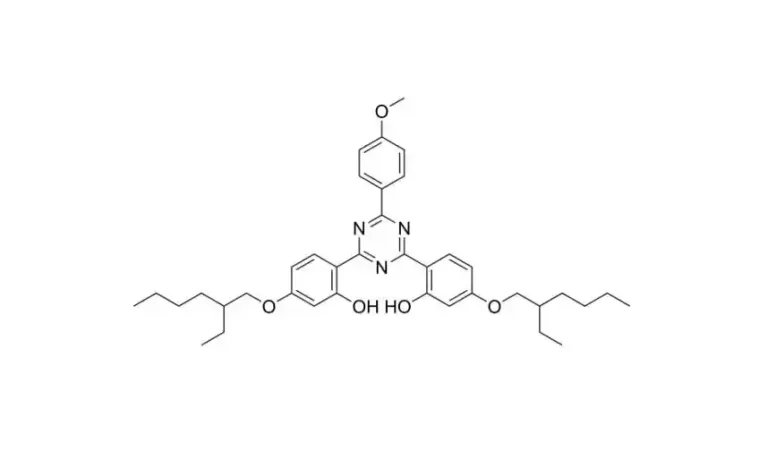
有機サンスクリーンフィルター UV放射線を取る。それから熱に変える。このように、これらのフィルターは光線が皮膚に入ることを阻止します。一般的な有機フィルターには、ビソクトリゾール(BFP-SP M)、アボベンゾン(BFP-SP AVB)、エチルヘキシルトリアゾン(BFP-SP EHT)があります。これらのフィルターは簡単に適応し,明確な混合物に適合します.これは重い鉱物の選択肢とは異なります。
- 紫外線を吸収し、それらをより危険なエネルギーに変換する成分として機能します。(BFP-SP M)は強いブロードバンドUVフィルターとして立っています。UVAとUVB放射線の両方を防ぐ。専門家はしばしばその固体的な光安定性を指摘します。フィルターは太陽光で早く分解しません。そのため、長期使用に適しています。
- SPF 15~30の日常サンクリーンに適しています。優れたUVA保護を提供します。(BFP-SP EHT)はもう一つの有機フィルターです。UVB線に対する強力な防御を提供します。他のものと同じように、光に耐えています。
つまり、有機フィルターは皮膚反応やホルモンの影響について心配に直面します。そのため、多くの開発者は有機フィルターとミネラルフィルターを混ぜています。目的は完全な広範囲カバーです。同時に、肌の安全性を考えています。
どのくらいのフィルターが十分なのでしょうか。
サンクリーンのミックスに最適なUVフィルターの数は異なります。必要な日光保護レベル(SPF)、ターゲットユーザー、計画された目的などの要因と関連しています。一般的に、少なくとも2〜3つのUVフィルターをペアリングすることは、幅広いスペクトルのニーズに適しています。このアプローチは、より多くのUV波長にスペーンしています。そのため、日防晒霜はUVAとUVBの両方をよくブロックします。
- UVA保護のため:酸化酸酸酸酸酸酸酸酸酸酸酸酸酸酸酸酸酸酸酸酸酸酸酸酸酸酸酸酸化酸酸酸酸酸酸酸酸酸酸酸酸酸酸この成分はUVA1、UVA2、UVBの範囲をカバーします。有機フィルターのような 紫外線を吸収し、それらをより危険なエネルギーに変換する成分として機能します。UVA防御も良いです。
- UVB保護のために: エチルヘキシルトリアゾン(BFP-SP EHT)のような有機フィルターは強く動作します。二酸化チタンと組み合わせると,セットアップは固体UVBブロックを構築します.
典型的なセットアップでは、広いカバージェンスのために酸酸酸一酸一一般的なミネラルフィルターを使用するかもしれません。UVA作用を強化するためにBisoctrizole(BFP-SP M)などの有機フィルターを追加することができます。二酸化チタンのような2番目のミネラルフィルターを追加することで、さらにUVB防御をサポートします。
製品例1:ビソクトリゾール (BFP-SP M)
ビソクトリゾール、BFP-SP Mは、現代的な有機サンクリーンフィルターとして考えられています。強いUVA防御をもたらします。フィルターはUVA放射線を吸収します。皮膚の老化を止めるのに役立ちます。さらに、完全なブロードバンドカバージェーのために他のフィルターと組み合わせています。ビソクトリゾールは光安定性を保つ。その保護力は長い日光を通して持続します。軽い感じと明確な外観は,このフィルターを日常製品に最適にします.古いミネラルサンクリーンの厚い残りを逃げます。
製品例2:酸化製製製品(BFP-Z40S)
ミネラルの観点から見ると、酸鉱鉱鉱物質の観点からは、酸化鉱鉱鉱物の酸化鉱鉱鉱鉱物鉱鉱鉱鉱鉱物質の観点から見れば、酸化鉱酸酸酸酸酸酸酸酸酸酸酸酸酸酸酸酸酸酸酸酸酸酸酸酸酸酸酸酸酸酸酸酸酸酸酸酸酸酸酸酸酸UVAおよびUVB放射線の両方を簡単に処理します。この材料は刺激を避ける。そのため、敏感な肌に適しています。自然に光安定性もあります。BFP-Z40Sは特定の形態の酸酸BBBBBFP-Z40Sです。サンクリーンミックスに役立つ。このグレードは、より良い明確性とシンプルな拡散をもたらします。その耐水性は,BFP-Z40Sをスポーツサンクリンなどのアクティブな製品に優れた選択肢にします.これらの最近の進歩は、ミネラルサンクリーンに関連する白い外観を大幅に減らしています。
適切なUVフィルターの選択において考慮すべき要因
サンスクリーンのミックスのための紫外線フィルターを選ぶには、単なる数よりも多くを見ることが必要です。いくつかのポイントがプレイに入ります。これらのカバー:
- SPF評価フィルターミックスはターゲットSPFに打つ必要があります。この数字はUVB保護の強さを示しています。たとえば、二酸化チタンとエチルヘキシルトリアゾンを結合することは、高いSPFマークを達成するのに役立ちます。
- 肌のタイプ: 軽い側からの敏感な皮膚の利益 ミネラル UV フィルター。酸化ここに酸酸酸 。油性皮膚を持つ人は、有機フィルターに傾いているかもしれません。油が少なくなる傾向があります。
優れた日光保護のために,上海BFP新材料株式会社が提供する高品質の紫外線フィルターの範囲を探してください.当社の製品は,広範囲の防衛を提供し,環境に優しい日光保護剤の配方に最適です.今日もお問い合わせで、次のスキンケアプロジェクトを開始してください。

Q1:二酸化チタン日焼け止めパウダーは、大量生産量をどのように強化しますか?
幅広いスペクトルのサンクリーンミックスに適した紫外線フィルターの数を見つけることは、効果性、安全性、ユーザーの好みの重量に縮まります。酸化酸酸酸酸酸酸酸酸酸酸酸酸酸酸酸酸酸酸酸酸酸酸酸酸酸酸酸酸酸酸酸酸酸酸酸酸酸酸酸酸酸酸酸酸酸酸酸酸酸ビビビオクトリゾールUVAとUVBを完全にカバーします。さまざまなフィルターをリンクすることで、開発者はサンクリーンアイテムを微調することができます。これらはトップシールディング、低い麻烦、およびユーザーにとって良い感じをもたらします。良いバランスがあれば、人々は太陽の害から皮膚を保護するサンスクリーンを信頼できます。一方で、彼らはスマートで自然に優しいミックスから恩恵を得ます。
FAQについて
ミネラルと有機紫外線フィルターの違いは何ですか?
酸化酸酸酸酸酸酸酸酸酸酸酸酸酸酸酸酸酸酸酸酸酸酸酸酸酸酸酸酸酸酸酸酸酸酸酸酸酸酸酸酸酸酸酸酸酸酸酸酸酸酸酸ビソクトリゾールのような有機フィルターは紫外線を吸収し、熱に変換し、軽い質感を提供しますが、敏感な皮膚を刺激する可能性があります。
紫外線フィルターはどれくらい広範囲のサンクリーンを持つべきですか?
幅広いスペクトルの保護のために少なくとも2〜3つのUVフィルターが推奨されます。ミネラル(たとえば酸化ミミネラル)と有機(たとえばビソクトリゾール)フィルターの組み合わせは、効果的なUVAとUVB保護を提供します。
ミネラルサンスクリーンは敏感な肌にとってより良いのでしょうか?
はい、ミネラルサンクリーンは、表面に座って紫外線をブロックし、刺激を減らすため、敏感な皮膚に優しくなります。彼らは彼らのような状態に理想的です アクネやロサセア.