

会社のニュース
Explorin (英寸)g Octinoxate: A Common UV Filter
。多くの紫外線フィルターは日光の下で弱くなります。ビソクトリゾールは強く、長期保護を与えます。その微小な粒子は,配方の水部分に混合され,オクチノキサートなどの他のフィルターを安定させるのに役立ちます.また、皮膚浸透や刺激のリスクも低い。EUおよび他の地域で承認され、ビソクトリゾールは安全で、敏感な皮膚に適しています。これは、新しいサンスクリーン製品の行き方です。
一切these structural features translate in (英寸)to desirable benefits:
ステリックヒン(インチ)ドランス:テトラメチルブチルフェノール基は構造的硬度を与え、ほとんどの有機紫外線フィルターに特徴的な準即時的な光分解を不可能にします。
Bemotrizinol FDA承認状態2025:消費者は何を知るべきか
日焼け止めの日差し
業界の知識共有

Why Micronized Zinc Oxide is the Key to Effective Sunscreen

Why Micronized Zinc Oxide is the Key to Effective Sunscreen

コンポーネントに依存します

Sunscreen plays a vital role in today’s skincare routines. It shields the skin from damaging ultraviolet (UV) rays that lead to early aging, burns from the sun, and skin cancer risks. A sunscreen’s success hinges on its main components. These can be chemical or mineral types. Among mineral choices, micronized zinc oxide stands out for its excellent safety record and wide-ranging protection. As a 強いビソクトリゾール供給を使用してالبداياedを得るunscreen ingredient supplier focused on anti-aging materials for sun care and cosmetics, Shanghai BFP New Material Co., Ltd. handles the creation and delivery of anti-aging materials. It mainly serves the sun care and cosmetics fields. Some uses extend to other business areas.

What is Micronized Zinc Oxide?

Micronized zinc oxide means zinc oxide grains reduced to very small sizes. These are usually below 100 nanometers. This allows for even spreading on the skin. Micronized types provide better clarity. They keep UV-blocking power. This method boosts the feel and use of sunscreens. It makes them more attractive for daily wear without compromising safety or performance.

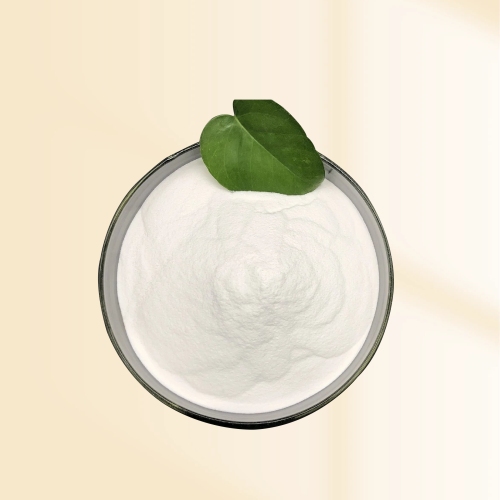
BFP – Z40SM, a nano mineral UV filter, is a white powder composed of Zinc oxide, Silica, and Methicone, and is coated with silica and methicone. These coatings improve dispersion and stability within formulations while ensuring high transparency and ease of spreading on the skin.

zinc oxide blue light protection

The Benefits of Zinc Oxide Sunscreen

Broad Spectrum Protection
Zinc oxide delivers one of the fullest UV defenses today. It works as a physical block. This reflects and scatters UVA and UVB rays over every wavelength. BFP – Z40ST has UVA and UVB all band effective protection. So, zinc oxide sunscreen suits prevent quick sunburn from UVB. It also guards against long-term aging from UVA.

Natural and Safe
Zinc oxide comes from mineral sources in nature. It suits all skin kinds, including sensitive or breakout-prone ones, and rarely causes irritation. It is safe and has no stimulation. This quality fits sunscreen with zinc oxide for people with skin issues like rosacea.

Non-comedogenic Properties
Some chemical sunscreens block pores or cause spots. Zinc oxide stays on the skin’s surface rather than being absorbed into it. Its neutral quality keeps pores open  and offers steady coverage from outside harm.

Long-lasting Protection
Zinc oxide builds a firm physical layer on the skin. It protects well until washed or rubbed away. This helps a lot for outdoor tasks. There, long exposure needs strong defense.

Why Use Micronized Zinc Oxide in Sunscreen Formulations?

Improved Cosmetic Elegance
Micronization shrinks the particle size of zinc oxide. It creates even textures without whitening. Micronized Zinc Oxide has high transparency. It is easy to spread on the skin, and doesn’t leave an opaque white residue.

Enhanced Transparency
Micronized grains boost light passage through the mix. UV blocking stays the same. This lets makers build light sunscreens. They mix well with different skin types. It works great for everyday use under makeup or in colored types.

Stability and Effectiveness
Micronization aids product steadiness, too. It stops clumping in mixtures. For example, BFP-ZDO02 uses Nano Zinc oxide as a raw material dispersed in oil, using advanced grinding technology to obtain a high-solid-content slurry. Such methods ensure an even spread in the formula. Each use gives steady SPF results over time.

sunscreen with zinc oxide

Zinc Oxide in Sunscreen: A Comparison with Other Ingredients

Zinc Oxide Sunscreen vs. Chemical Sunscreens
Chemical sunscreens take in UV rays via organic parts like avobenzone or octocrylene. They turn it into heat. Zinc oxide acts as a physical guard. It bounces rays away from the skin. Chemical types might feel lighter at first. But they break down quicker in the sun unless they are helped by stabilizers, for instance, Diethylamino Hydroxybenzoyl Hexyl Benzoate/BFP-SP DHHB, which provides outstanding protection from free radicals and skin damage.

Sunscreen with Zinc Oxide vs. Sunscreen with Only Zinc Oxide
A sunscreen with only zinc oxide depends just on this mineral’s bounce for UV guard. It fits those wanting simple mixes without fake chemicals. Yet, pairing zinc oxide with others like titanium dioxide or organic takers can boost coverage over wavelengths. It also betters the feel. At BFP New Material Co., we provide both standalone zinc oxide powders, such as Zinc oxide/BFP-Z40S, and blended dispersive liquids tailored for hybrid systems that meet diverse formulation needs.

Zinc Oxide and Blue Light Protection

New research indicates that long blue light exposure from the sun or screens speeds up stress from oxidation. This leads to color spots and early aging. Micronized zinc oxide guards against UV rays. It also aids in zinc oxide blue light protection. It blocks visible light bands from 400–500 nm. Paired with items like bisoctrizole (BFP-SP M), which takes in blue light well, these mixes offer full guard against current outside threats.

Formulation Trends: Sunscreen with Zinc Oxide

The sunscreen field now prefers mineral options more. This comes from growing buyer wish for pure beauty items. They avoid tough chemicals or hormone risks. Mineral UV filters work by taking in, bouncing, and bending UV rays. The key part is nano titanium dioxide or nano zinc oxide with organic and inorganic coatings. Fresh ideas help creators make clear, strong sunscreens. They suit full-day use without oiliness or leftover.

Common types include water-based sunscreen with zinc oxide. They use water-friendly grades like BFP-ZDW. These spread well in water mixes. Oil-based ones like BFP-ZDO01 fit thick creams. They give lasting water resistance.

Q1:二酸化チタン日焼け止めパウダーは、大量生産量をどのように強化しますか?

Selecting sunscreens made with micronized zinc oxide brings the best mix of safety, ease, and power in all settings. From city daily rays to tough outdoor spots, its wide coverage goes past UV into visible light areas. At Shanghai BFP New Material Co., Ltd., we keep growing our range. We focus on new mineral-based materials and help global brands offer safer, greener sun guard options.

FAQs about Micronized Zinc Oxide Sunscreens

What makes micronized zinc oxide better than regular zinc oxide?

Micronization reduces particle size below 100 nm, improving transparency while maintaining full-spectrum coverage—resulting in smoother application without white residue.

How does micronized zinc oxide contribute to blue light defense?

It reflects portions of visible light within the 400–500 nm range responsible for oxidative stress—a feature known as zinc oxide blue light protection, useful against screen-induced aging.

Are micronized particles safe for sensitive skin?

Coated variants like ASEAN諸国: are proven non-irritating, making them ideal even for sensitive complexions.

Why should formulators choose BFP’s raw materials?

We offer both hydrophilic (water-dispersible) and lipophilic (oil-dispersible) grades, ensuring flexibility across product types—from lightweight daily lotions to heavy-duty outdoor creams—with guaranteed quality control through GMP-certified facilities.


最終的に、あなたの肌の種類、毎日の習慣、そして信念があなたを導きます。

2025年にあなたの太陽の防衛を後押しする準備はできましたか?

日焼け止めの製剤が進化するにつれて、ビソクトールはそのユニークな特性で業界に革命をもたらすように設定されています。