



선스크린은 매일 스킨케어에서 중요한 역할을 합니다.피부를 해로운 자외선 (UV) 선으로부터 보호합니다.UV 노출은 화상, 초기 주름 및 피부암을 일으킬 수 있습니다.따라서 선스크린 요리법에 적합한 UV 필터를 선택하는 것은 매우 중요합니다.UV 필터의 두 가지 주요 종류가 있습니다: 용성 (유기) 및 불용성 (무기).각 종류는 자신만의 플러스 포인트와 단점을 가지고 있습니다.이러한 것을 알고 있으면 특정 특특정 선스크린 특특정 이이이특정 선스크린 이이이러한 것을 선택하는 데 도움이 됩니다.
이 작품에서는 용해성 UV 필터와 불용성 UV 필터 다르다.우리는 그들의 행동, 좋은 측면과 최고 사용을 지적하고 이러한 제품의 실제 예를 제공합니다.
UV 필터는 무엇입니까?
UV 필터는 선스크린의 중요한 부분입니다.그들은 피부를 받아들이거나 반복하거나 紫外線를 퍼뜨리거나 피부를 보호합니다.그들은 두 가지 기본 그룹으로 분류됩니다:
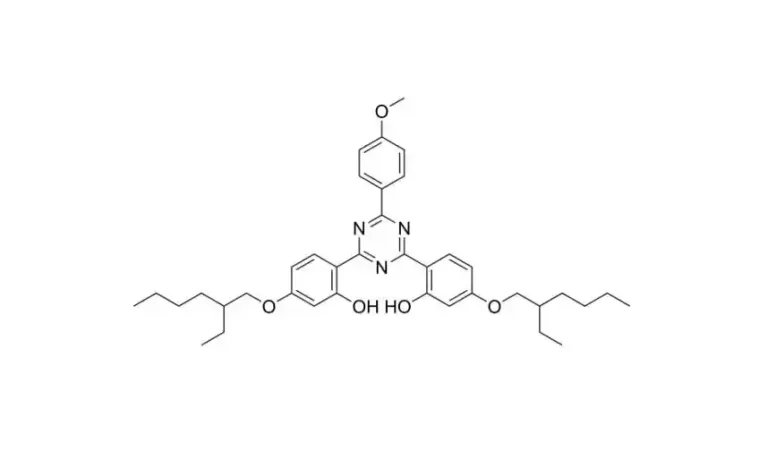
- 용해성 UV 필터: 이것은 유기, 화학 물질입니다.그들은 UV 선을 흡수하고 따뜻함으로 변화합니다.일반적인 것들은 Bisoctrizole와 Ethylhexyl Triazone를 포함합니다.두 가지 모두는 종종 선스크린 요리법에 나타납니다.
- 불溶성 UV 필터: 이것은 무기, 광물 기반 항목입니다.그들은 물리적 방식으로 UV 선을 차단하거나 반복합니다.이산화 티타늄 선스크린 및 산화 아연 선스크린 분말은 예입니다.그들은 피부의 표면에 남아 있습니다.이것은 UV 선에 대한 방패를 형성합니다.
각 필터는 다르게 작동합니다.혼합물이 필요한 것과 피부 보호자가 원하는 것에 따라 특별한 강점을 가지고 있습니다.
溶성 및 불溶성 UV 필터는 어떻게 작동합니까?
용해성 및 불용해성 UV 필터 사이의 주요 분열은 그들이 어떻게 작동하는지에서 나타납니다.
- 용해성 UV 필터: 이것은 UV 선을 받습니다.그런 다음 열로 변경되어 안전하게 떠나게 됩니다.그들은 UVA 및 UVB 선에 대해 잘 작동합니다.사람들은 종종 빛에 용해성 필터를 사용하고, 투명 선스크린을 사용합니다.그것은 당신이 볼 수 있는 표시를 남기지 않기 때문입니다.예를 들어, : 로션, 스프레이 또는 : : 당신에게 옵션을 제공하는 로로로션에 적합합니다. (Tinosorb M이라고도 불립니다) UVA 선을 잘 흡수합니다.또한 UV 빛을 확산합니다.이것은 전체 범위의 경비를 제공합니다.게다가, 그것은 빛에서 강하게 유지되어 있으며, 일상 사용을 위한 일일일상 선스크린에 적합합니다.
- 불溶성 UV 필터: 이들은 반복하거나 UV 선을 퍼뜨립니다.이산화 티타늄 선스크린 및 산화 아연 선스크린 분말은 방패를 만듭니다.그것은 UV 선이 피부에 충격하는 것을 막습니다.그들은 태양에서 더 잘 지킬 수 있습니다.그리고 그들은 물에 저항하는 선스크린에 적합합니다.BFP의 산화 아연 선스크린 파우더는 UVA와 UVB 광선을 완전히 보호합니다.이것은 외부와 방수 선스크린에 좋습니다.BFP에서 또 다른 이산화 티타늄은 UVB 선을 잘 차단합니다.종종 더 나은 경비를 위해 다른 사람들과 결합됩니다.


용해성 UV 필터의 이점
Bisoctrizole와 같은 용해성 UV 필터는 많은 좋은 점을 가지고 있습니다.이것은 일부 선스크린 혼합에 적합합니다:
- 빛과 기름이 없는: 용해성 필터 느낌 더 가 : 가가루운.그들은 불溶성 것보다 기름이 적습니다.이것은 선스크린 항목에 건조한 느낌을 원하는 사람들에게 적합합니다.
- 명확하고 좋은 모습용해성 필터는 피부 위에 남지 않습니다.그래서 그들은 거의 흰색 표시를 남기지 않습니다.이것은 투명하고 가운 선스크린에 잘 작동합니다.
- 풀 가드: 용해성 필터는 UVA와 UVB 선에 대해 잘 보호합니다.BFP의 Bisoctrizole.UVA 선을 받습니다.그것은 태양의 손해와 조기 노화를 막는 데 도움이 됩니다.
- 혼합하기 쉬운: 용해성 필터는 많은 제품에 쉽게 혼합됩니다.스프레이, 스스스프레이, 스스프레이, 스스스프레이, 스스스프레이, 스스스스프레이, 스스스스스프레이, 스스스스스프레그들은 다양한 기초로 작동합니다.따라서, 메이커는 다양한 느낌과 혼합을 만들 수 있습니다.
불용성 UV 필터의 장점
불용량 UV 필터는 산화 아연 선스크린 분말과 이산화 티타늄 선스크린과 같이 명확한 좋은 점을 가지고 있습니다.
- 몸 방패: 불溶성 필터는 진짜 벽을 만듭니다.그것은 반복하고 UV 선을 퍼뜨립니다.이것은 빠른 경비를 제공합니다.용해성 물과는 달리, 시작하기 위해 피부에 침몰할 필요가 없습니다.
- 긴 경비불용성 필터는 태양에서 안정적으로 유지됩니다.열이나 UV 광선으로부터 더 적게 분해됩니다.이것은 긴 야외 시간에 대한 이이이용 선스크린에 적합합니다.
- 감동적인 피부에 좋은: 이산화 티타늄 선스크린과 산화 아연은 피부에 친절합니다.민감한 피부 혼합에 적합합니다.이것들은 일부 용해성 필터보다 더 적은 문제를 초래합니다.그래서 그들은 아이들과 피부 문제를 가진 사람들을위한 항목에 들어가는 이유입니다.
- 풀 레인지 가드: 산화 아연과 이산화 티타늄 모두 UVA와 UVB 선에 대해 완전히 보호합니다.BFP의 산화 아연 선스크린 파우더는 뛰어난다.두 종류의 레이를 잘 차단합니다.이것은 완전한 피부 방패를 제공합니다.
용해성 vs 불용해성 UV 필터: 비교
다음은 용해성 및 불용해성 UV 필터 사이의 주요 분열의 간단한 목록입니다.
| 화학적 선 스크린의 매력 | UV 방사선을 흡수하고 열로 변환합니다. | UV 방사선을 반영하고 분산 |
| 질감 | 경량, 비 지방 | 피부에 흰색을 남길 수 있습니다. |
| 이산화티타늄의 새로운 발전은 상당히 이이이상적입니다.그들은 선스크린을 더 명확하고 더 편안하게 만듭니다.BFP와 같은 브랜드는 멋진 일을 하고 있습니다. 그들의 제품은 선스크린 선택에 대해 좋은 기분을 느끼도록 도와줍니다.피부가 밝거나, 중간거나 어두워지든, 당신을 위한 선택권이 있습니다. | UVA 및 UVB에 대해 효과적인 | 광범위한 보호, 오래 지속 |
| 내구성 | 내구성이 적으며, 재적용이 필요할 수 있습니다. | 더 내구성, 특히 방수 공식을 위해 |
| 피부 감도 | 민감한 피부를 자극시킬 수 있습니다. | 민감한 또는 여드름에 취향한 피부에 적합 |
선스크린에 적합한 UV 필터 선택
용해성 및 불용해성 UV 필터 사이를 결정하는 것은 제품이 어떻게 해야 하는지에 달려 있습니다. 또한 누가 그것을 사용할 것인지 살펴보십시오.
- 방수 혼합물을 위해: 산화 아연 선스크린 분말과 이산화 티타늄 선스크린과 같은 불용성 필터는 가장 잘 작동합니다.그들은 그들그들그들그들그들은 그들그들그들그들그들그들그들그들그들그들그들그들은 그들그들은 그들그들은 그들그들그들그들그들그들은 그들은 그들그들그들그들이것은 외부 및 스포츠 이이이용 선스크린에 중요합니다.
- 빛 혼합을 위해: Bisoctrizole와 같은 용해성 필터는 가루고 건조한 선스크린을 원하는 사람들에게 적합합니다.그것은 빠르게 빠빠져 빠빠빠르게 빠빠빠르게 빠빠르게 빠빠빠르게 빠빠빠르게 빠빠빠르게 빠빠빠져 빠빠빠진다이것은 매일 선스크린에 사용됩니다.피부에 표적을 남기지 않습니다.
친환경 스킨 케어 라벨을 들어 올릴 준비가 되셨습니까? 혼합물에 산화 아연을 첨가하는 것은 현명한 단계입니다. 구매자와 지구 모두에게 도움이됩니다. 신선한 선 스크린을 만들거나 현재 범위를 업그레이드하든이 요소는 타의 추종을 불허하는 특전을 제공합니다. 우리의 선택을 탐색하십시오
그들이 얼마나 잘 작동하는지 외에도, 지구 효과와 UV 필터의 안전성은 지금 더 중요합니다.이것은 제조자와 구매자에게 사실입니다:
- 불溶성 UV 필터: 산화 아연 선스크린 파우더와 이산화 티타늄 선스크린과 같은 광물은 자연에 더 친절합니다.해양 생물을 더 적게 해치는 것이다.그래서 그들은 지구를 돌보는 구매자를 끌어들입니다.
- 용해성 UV 필터: 용해성 필터는 잘 작동합니다.그러나 어떤 사람들은 물 생명에 대한 해를 걱정합니다.그러나 BFP는 녹색 방법에 집중합니다.그것은 지구에 친화적인 유형의 용해성 필터를 제공합니다.이것은 이러한 문제를 해결하는 데 도움이 됩니다.
Q1 : 이산화 티타늄 선 스크린 파우더는 어떻게 대량 생산을 향상 시키는가?
용해성 및 불용해성 UV 필터는 각각 특별한 강점을 가져옵니다.그것은 원하는 혼합물과 누구를 위한 것에 달려 있습니다. 용해성 UV 필터Bisoctrizole처럼, 스가가운, 건조한 선스크린 복장.그들은 표적없이 완전한 경비를 제공합니다.한편, 산화 아연 선스크린 파우더와 이산화 티타늄 선스크린은 민감한 피부에 적합합니다.그들은 안정적이고 전체 범위의 경비를 제공합니다.
선스크린 필터를 선택할 때 제품 유형에 대해 생각하십시오.사용자가 필요한 것을 고려하십시오.또한 지구의 영향을 살펴보십시오.이렇게 하면 당신은 똑똑하게 선택합니다.그것은 규칙과 구매자가 원하는 것에 맞습니다.
FAQ 섹션
1. 용해성 및 불용해성 UV 필터 사이의 차이는 무엇입니까?
용해성 UV 필터는 UV 방사선을 흡수하고 열로 변환하지만 불용해성 필터는 UV 방사선을 반영하고 용용용해주고 분산하여 피부에 물리적 장벽을 형성합니다.
2. 어떤 유형의 UV 여과기가 민감한 피부를 위해 더 좋습니까?
아연 산화물 선스크린 파우더와 같은 불용성 UV 필터는 민감한 피부에 더 적합하므로 자극을 일으킬 가능성이 적고 부드러운 보호를 제공합니다.
3. 용해성 및 불용해성 UV 여과기는 함께 사용될 수 있습니까?
예, 용해성 필터와 불용해성 필터를 태양광 보호제로 결합하면 전체 UV 스예예예 예예 예예예 예, 용해성 필터와 불용해성 필터를 태양광 보호제에 결합
당신은 좋아할 수 있습니다:
최고의 피부 보호를 위한 물리적 vs. 유기농 선스크린