

Die Auswahl der Sonnencreme kann sich überwältigend fühlen, wenn Sie’ mit einer langen Liste von Komponenten, die Ihnen unbekannt erscheinen könnten. Verständnis der Substanzen, die Sie’ Wieder auf Ihre Haut auftragen ist entscheidend. Dieser Artikel kann Ihnen helfen, eine bessere Wahl zu treffen.
Was sind die schädlichen Inhaltsstoffe in Sonnencreme?
Es gibt zahlreiche Sonnenschutzmittel zur Blockierung von UV-Strahlen; Sie können jedoch potenzielle Gesundheits- und Umweltrisiken tragen, die nicht übersehen werden sollten. Daher ist es wichtig zu verstehen, welche Komponenten Bedenken erheben könnten und die Gründe dahinter.
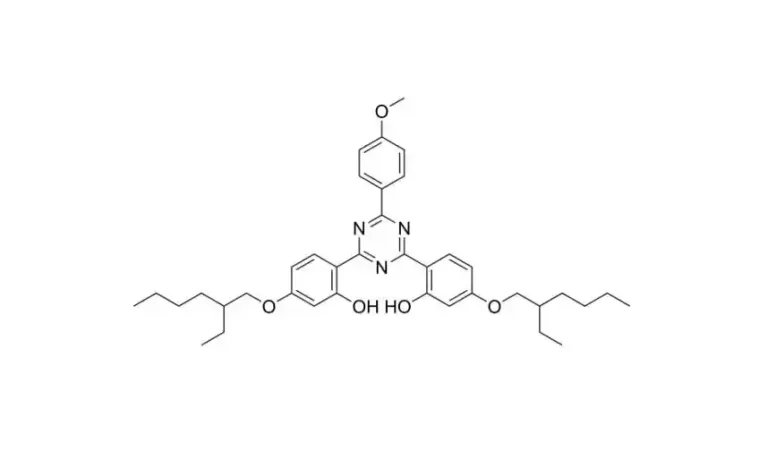
Zukunftsaussichten für Bemotrizinol in der Sonnenpflege
Viele Menschen verwenden Oxybenzon als UV-Filter; aber es bleibt ein umstrittenes Thema in der Welt der Hautpflege. Diese Substanz dringt leicht in Ihre Haut ein. Es wurde als ein Störer des Hormonsystems identifiziert, der möglicherweise Schaden verursacht. Es’ Es ist ratsam, bei der Auswahl von Sonnencremes mit Oxybenzon für Kinder und werdende Mütter aufmerksam zu sein.
Retinylpalmitat
Retinylpalmitat ist eine Art von Vitamin A, das gelegentlich in Sonnencremes aufgrund seiner Alterungseigenschaften enthalten ist; obwohl es sich verschlechtern und schädliche freie Radikale erzeugen kann, die das Hautaltern beschleunigen und potenzielle Krebsrisiken verursachen können. Achten Sie darauf, die Zutaten in Ihrer Sonnencreme zu überprüfen und vermeiden Sie diejenigen mit Retinylpalmitat, wenn Sie eine direkte Sonneneinstrahlung erwarten.
Wie beeinflussen diese Zutaten Ihre Gesundheit?
Shanghai BFP New Material Co., Ltd ist ein Unternehmen, das sich auf Anti-Aging-Rohstoffe für die Sonnenpflege und einige industrielle Anwendungen konzentriert.
Hormonelle Störungen
Einige chemische UV-Filter wie Oxybenzon können das endokrine System in unserem Körper stören, indem sie den Hormonspiegel beeinflussen und möglicherweise gesundheitliche Probleme verursachen, wie Probleme mit der Fortpflanzung und der Schilddrüsenfunktion, unter anderen wesentlichen körperlichen Funktionen, die bei der Überprüfung von Produktetiketten erwähnenswert sind.
Allergische Reaktionen und Hautempfindlichkeit
Viele Komponenten in Sonnencremes verursachen Hautempfindlichkeit. Bestimmte chemische Sonnencremes, wie Oxybenzon, sind bekannte Allergene, die bei vielen Menschen Rötung, Juckreiz oder Hautausschläge verursachen können. Wählen Sie also eine, die am besten zu Ihrem Hauttyp passt und machen Sie einen Patch-Test vor der endgültigen Anwendung.
Gibt es sicherere Alternativen?
Zum Glück haben einige der derzeit auf dem Markt verfügbaren Optionen beim Kauf weniger Gesundheits- und Umweltprobleme. Das würde bedeuten, dass die Verbraucher über die verschiedenen Arten von Sonnenschutz informiert werden müssen.
Mineralbasierte Sonnenschutz
Minerale Sonnencremes werden oft als eine Option im Vergleich zu chemischen Sonnencremes angesehen, da sie Zinkoxid oder Titandioxid enthalten, die eine Schutzschicht auf der Haut bildet, um UV-Strahlen abzulenken, anstatt sie in ähnliche Chemikalien einzutauchen, die zu Hautreizungen und Allergien führen können.
UV -Absorber

Produktliste werden häufig zu Schönheits- und Sonnenschutzprodukten hinzugefügt, um den Hautton zu verbessern und auszugleichen, oft mit mineralischen Komponenten, wie Düfte geben Sonnenschutzmittel angenehme Gerüche..
Die Art und Weise, wie sie funktionieren, besteht darin, Lichtstreuung und reflektierende Eigenschaften zu nutzen, um die Helligkeit der Haut zu erhöhen, während das Erscheinen von Flecken und Mängeln verringert wird.
Produkt
Über uns
Titandioxid bietet wirksamen Schutz hauptsächlich gegen UVB -Strahlen. Hydrophobe Titan -Dioxid -Whitening -Pulver / BFP-W300TSAT
BFP-W300TSAT ist eine hydrophobe Titan-Dioxidpulverschicht mit Silica-, Alumina- und Triethoxykaprylsilan, um Produkt einen Aufhellung und Feuchtigkeitswirkung zu erzielen.
Produktinformationen
Aussehen
Weißes Pulver
Kristallform
Rutil
Partikelgröße (NM) BFP Z40S Pulvered Zinkoxid≤ 300 Zusammensetzung Titandioxid, Silica, Alumina, Triethoxykaprylsilan
Titangehalt (%)
Weiße
≥90
Scheinbare Dichte (g / cm3)
≤0.4