


Bemotrizinol é um filtro UV orgânico moderno. Expertos a criaram para lidar com a crescente necessidade de uma guarda solar forte e de larga distância. Muitos usuários diários talvez não saibam o nome. No entanto, bemotrizinol tem servido em misturas de protecção solar por anos. Você a encontra na Europa, Austrália e Ásia. Ela leva bem raios UVA e UVB. Além disso, mostra grande estabilidade da luz. Esses traços fazem com que seja uma escolha para produtos solares de alto SPF e todo o dia.
Na cadeia mundial de suprimentos cosméticos, Shanghai BFP New Material Co., Ltd. ajuda os fabricantes. Nós oferecemos a nível fábrico bemotrizinol e um conjunto completo de guardas UV.
O que é Bemotrizinol?
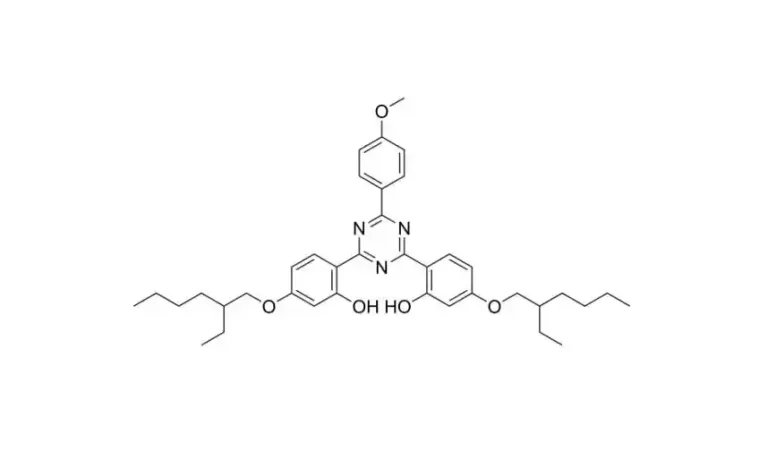
Bemotrizinol é chamado de INCI Bis-Etilhexiloxifenol Metoxifenil Triazina. Ele atua como um agente orgânico de proteção solar favorável ao petróleo. Este cai no grupo triazina de captores de UV. Os fabricantes a construíram para absorver a luz UV constantemente em uma ampla gama.
De um ponto de vista misturado, bemotrizinol conta como um dos melhores captores de UV lá fora agora. Ela puxa fortemente a luz. Então, você pode atingir altos escores SPF com pequenas quantidades. Isto se encaixa nos estilos atuais de protecção solar. Eles apontam para uma sensação de luz e melhor toque da pele.
Características Funcionais Principais do Bemotrizinol
Protecção UVA e UVB de Espectro Largo
Bemotrizinol extrai luz ultravioleta das áreas UVA e UVB. Esse guarda de duas direções ajuda a cumprir regras globais de protecção solar. Essas regras exigem até cobertura de UVA e UVB. Eles vão além de apenas SPF baseado em UVB sozinhos.
Fotostabilidade excepcional
Um traço principal de bemotrizinol é sua estabilidade sólida da luz. Alguns tipos . muitas vezes quebram no sol. Mas bemotrizinol mantém sua forma e pulsão UV durante longos golpes de luz. Essa estabilidade dá guarda confiável ao longo do uso.
Performance Solúvel de Petróleo
Como um filtro UV amante de gordura, o bemotrizinol se mistura suavemente em óleos cosméticos. Essa característica impulsiona opções de mistura. Ela eleva a retenção de água. E espalha filtros UV uniformemente em cremas e instalações secas.
Rôlo Sinergístico nas Formulações
As pessoas frequentemente acoplam bemotrizinol com outros filtros UV orgânicos ou inorgânicos. Nessas misturas, ela estabiliza partes mais fracas e estáveis à luz. Isso eleva os resultados totais do SPF. Também prolonga o tempo que o produto dura no uso diário.
Aplicações comuns na ecrã solar com Bemotrizinol e produtos de cuidado solar
Você muitas vezes vê bemotrizinol adicionado a elas:
- Protecções solares faciais e corporais com alta SPF
- Produtos de cuidado solar resistentes à água e orientados ao esporte
- Cremes diarios de proteção UV
- Uma pele antienvelhecidacom alegações de proteção solar
- Formulações híbridas combinando filtros UV orgânicos e minerales
Em pontos com luz ultraviolet a forte, como a Austrália, filtros ultravioletas de larga distância constantes são muito importantes. Eles formam uma grande parte dos planos de guard a solar cotidiana. Bemotrizinol preenche um ponto chave para atingir esses objetivos.
Perfil de segurança e aceitação regulatória
Bisoctrizole: O escudo final para a protecção da pele dos jovens
Bemotrizinol obtém o acordo para uso cosmético na União Europeia, Austrália, China, Japão e mais áreas. Cada um tem um limite máximo de quantidade. Essas luzes verdes vêm de verificações profundas de veneno e anos de informações de segurança.
Bemotrizinol CAS# 23949-66-8afety
Estudos mostram que o bemotrizinol tem baixa chance de irritação. Apenas entra na pele. Ao contrário de alguns antigos filtros UV, não se absorve muito no corpo. Isso faz um bom registro de segurança. É adequado ao uso contínuo e repetido.
Bemotrizinol Photostability Ccomparados com outros Inci: etilhexil metoxicinnamatoorgânico Isso inclui compostos como oxibenzona e octinóxato. Ffiltros
Alguns tipos de filtros de UV ligam-se aos riscos de alergia ou preocupações hormonais. Bemotrizinol evita esses problemas. Os testes mostram que ele se mantém melhor e se sente mais gentil na pele. Isso empurra seu uso em novas misturas.
Usar em aplicações de pele sensíveis
Testes laboratoriais de bemotrizinol e filtros UV semelhantes não encontraram efeitos semelhantes a estrogênio, hormônio masculino ou anti-hormônio.
Com sua pequena absorção cutânea e nenhum sinal de hormônio em estudos, bemotrizinol se encaixa bem em protetores solares para grupos amplos. Isto inclui aqueles para pele sensível. Como qualquer parte cosmética, a segurança do bemotrizinol ligações ao design de mistura e regras seguintes.
Benefícios adicionais da pele além da proteção UV
Redução do eritema induzido por UV
As descobertas apontam que bemotrizinol corta vermelho de batimentos UV. Isso ajuda a reduzir a queimadura clara e respostas cutâneas semelhantes a queimadura.
Apoio Antienvelhecimento
Parando radicais livres iniciados por UV, bemotrizinol apoia os próprios sistemas de luta da pele contra o dano. Isso ajuda planos antienvelhecimento duradouros. Elas trabalham para facilitar o envelhecimento solar, linhas pequenas e cores pontuais.
Apoio para Condições Fotosensitivas
Testes de gatilho revelam que bemotrizinol pode parar surtos como erupção de luz polimórfica (PLE) em pessoas sensíveis ao sol. Isso sublinha sua aptidão para misturas especiales de cuidado solar.
Por que Bemotrizinol importa no Desenvolvimento Moderno da Creme Solar
Enquanto o sol rege em todo o mundo, mudanças e usuários querem mais, os misturadores focam nos filtros UV com poder real, segurança de luz, regras se encaixam e facilidade de mistura. Bemotrizinol atende estas necessidades. Isso dá uma guard a de larga distância. Ao mesmo tempo, permite uma sensação mais suave e mais longa.
Sim, é seguro. Seus bigramas metroleculas permanecem na superfície de sk بوصة. Estudos não mostram problemas hormonais. Isso faz com que seja bom para todos os dias de uso. Shanghai BFP New Material Co., Ltd.o bemotrizinol forma um elemento básico em sua linha de filtros UV orgânicos e minerales. Esses apoiam os avanços da atenção solar fresca em pontos globais.
Filtros solares mais antigos
Qual é a função primária do bemotrizinol?
Bemotrizinol é um filtro UV orgânico que absorve tanto radiação UVA como UVB.
O bemotrizinol é fotossável?
Sim. Ela permanece estável sob luz solar e mantém proteção UV durante a exposição.
Em que regiões é aprovado o bemotrizinol para uso?
É aprovado na UE, Austrália, China, Japão e vários outros mercados.
O bemotrizinol penetra profundamente na pele?
Estudos indicam absorção dermal mínima em comparação com alguns filtros UV.
Pode bemotrizinol ser combinado com outros filtros UV?
Sim. É comumente usado com filtros orgânicos e minerais para aumentar a estabilidade e eficiência do SPF.