


Sunscreen is really important for protecting your skin from harmful UV rays. But not every sunscreen works the same. Deciding between physical and organic UV filters changes how well your skin stays safe. We’ll point out ingredients like TiO2 nano powder, titanium dioxide particles, nano zinc oxide, and nano zinc oxide SPF. Let’s get started and find what’s best for your skin.

Defining Physical and Organic UV Filters
What Are Physical UV Filters?
Physical UV filters, also called mineral sunscreens, sit on your skin’s surface. They act like a strong barrier. These filters block UV rays by grabbing them, reflecting them, or scattering them. They contain ingredients like titanium dioxide particles and nano zinc oxide. Shanghai BFP New Material Co., Ltd. offers products like BFP-T10AHL (titanium dioxide coated with aluminum hydroxide and lauric acid) and BFP-Z40S (zinc oxide with silica). People like these because they’re gentle. They don’t usually cause itching or redness, which makes them great for sensitive skin.
What Are Organic UV Filters?
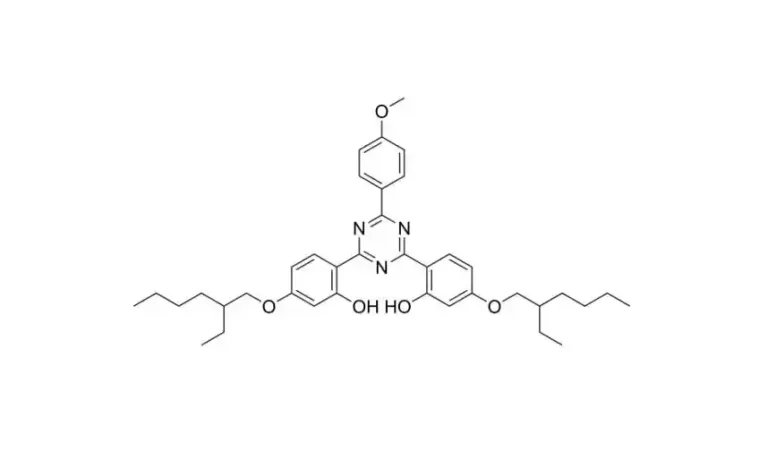
Organic UV filters, or chemical sunscreens, work differently. They take in UV rays and turn them into heat. This heat then slips away from your skin. These filters use man-made ingredients, like BFP-SP TDSA (terephthalylidene dicamphor sulfonic acid) or BFP-SP DHHB (diethylamino hydroxybenzoyl hexyl benzoate). Shanghai BFP provides solid options, like Bisoctrizole (BFP-SP M), which protects against a wide range of UV rays. These filters blend well into lotions. They feel light and nice, making them perfect for everyday use.
Key Differences Between Physical and Organic UV Filters
Physical and organic UV filters aren’t the same. They work in different ways, feel unique, and mix into products differently. Physical filters, like TiO2 nano powder and nano zinc oxide, form a shield on your skin. This shield pushes UV rays away. These sunscreens can feel heavy. Sometimes, they leave a white mark. But products like BFP-T20SD (titanium dioxide with silica and dimethicone) help make that chalky look less noticeable.
Organic filters, like BFP-SP EHT (ethylhexyl triazone), soak into your skin. They grab UV rays and feel smooth, not greasy. Timing is a big difference. Physical sunscreens with nano zinc oxide SPF start working right away. Organic filters, though, need about 15–20 minutes to kick in. Stability matters too. Organic filters, like BFP-SP S (bemotrizinol), stay tough in sunlight. Physical filters, being minerals, are naturally strong. Lastly, physical filters are kinder to skin. Some organic filters might irritate sensitive skin.
Features of Physical UV Filters
Physical UV filters have neat qualities that make them special. Here’s why they’re great, based on Shanghai BFP’s products:
- Full Protection: Products like BFP-Z40ST (zinc oxide with silica and triethoxycaprylylsilane) block both UVA and UVB rays. This keeps your skin safe from all angles.
- Gentle and Safe: Nano zinc oxide and titanium dioxide particles don’t bother skin. They’re awesome for delicate skin.
- Fast Action: Unlike organic filters, physical sunscreens like BFP-T10AHS work the second you put them on. No waiting needed.
- Smooth Feel: Coatings like silica and dimethicone in BFP-T20S make these sunscreens less chalky. They feel nicer on your skin.
- Lots of Choices: Shanghai BFP offers options like hydrophobic BFP-TDO01 (lipophilic titanium dioxide slurry) for oily products or hydrophilic BFP-TDW for watery ones.
These qualities make physical filters popular with people who care about the environment or have sensitive skin.
Features of Organic UV Filters
Organic UV filters have their own cool features. Shanghai BFP’s products show why they’re special:
- Light and Soft: Filters like BFP-SP TDSA and BFP-SP EHT feel super light. They’re great for daily lotions or creams.
- Strong Blocking: BFP-SP EHT has an absorbance over 1500 at 314 nm. You only need a little for big SPF protection.
- Lasts Long: Compounds like Bisoctrizole (BFP-SP M) don’t break down in sunlight. They keep protecting your skin for hours.
- Easy to Mix: Filters like BFP-SP DHHB blend nicely into different products. This makes them really adaptable.
- Extra Power: Pairing BFP-SP S with other filters boosts SPF. It’s a top pick for strong sunscreens.
Organic filters are perfect for people who want sunscreen that feels invisible and fits into their daily routine.
Market Scale of Physical and Organic UV Filters
The market for physical UV filters is growing steadily. Ingredients like TiO2 nano powder and nano zinc oxide are really popular. People want natural, skin-friendly options. In 2023, the global mineral sunscreen market was worth about $1.2 billion. Experts say it will grow at a CAGR of 5.8% through 2030. Products like Shanghai BFP’s BFP-Z40SM (zinc oxide with silica and methicone) are super popular. They don’t leave a white mark and appeal to eco-conscious buyers. Trends like clean beauty and reef-safe rules are pushing this market forward.
Organic UV filters are the leaders in the sunscreen world. They’re used in high-SPF and light products. In 2023, this market was valued at around $3.5 billion. It’s expected to grow at a CAGR of 6.2% through 2030. Ingredients like BFP-SP OMC (octyl methoxycinnamate) and BFP-SP AVB (avobenzone) are common in everyday sunscreens. They protect well and blend clearly, which makes them a big hit, especially in Asia-Pacific and North America.
Market Comparison
Organic UV filters have a bigger market share. They’re adaptable and feel light, which many people love. But physical filters are catching up quickly. Clean beauty and eco-friendly trends are making them more popular. Nano zinc oxide SPF products are especially loved because they’re safe for marine life. Organic filters lead in volume, but physical filters are finding a special place in fancy and natural skincare brands. Shanghai BFP’s products, like BFP-TDO02, meet both performance and eco-friendly needs.
FAQ
Can physical and organic UV filters be combined in one product?
Yes, mixing physical and organic filters is common. It gives full protection. For example, pairing BFP-T10AHL (titanium dioxide) with BFP-SP DHHB boosts UVA and UVB coverage. It also keeps texture and strength balanced.
Are physical UV filters better for sensitive skin?
Physical filters, like nano zinc oxide, are usually gentler. They’re less likely to irritate than some organic filters, which might bother certain skin types.
Do Shanghai BFP’s products offer free samples?
Yes, Shanghai BFP provides free samples. But customers need to pay for shipping.
How do I choose between physical and organic sunscreens?
Think about your skin and what you care about. Physical sunscreens (TiO2 nano powder, nano zinc oxide) are great for sensitive skin and eco-conscious people. Organic filters (BFP-SP EHT, BFP-SP S) are best for those who want light, high-SPF products.
Are physical UV filters reef-safe?
Yes, nano zinc oxide and titanium dioxide particles are reef-safe. Some organic filters, though, might harm sea life.
Conclusion
Physical and organic UV filters each offer special benefits for sun protection. Physical filters, with ingredients like TiO2 nano powder and nano zinc oxide SPF, give safe, quick protection. Organic filters, like BFP-SP TDSA, provide light, long-lasting coverage. Shanghai BFP New Material Co., Ltd.’s wide range of products fits every skincare need. As markets change, physical filters are getting more fans because of eco-friendly trends. Organic filters still lead for their adaptability. Choose the right one for your skin type and values to keep your skin healthy and bright.
You Might Like:
Which UV Filter is Best for Sunscreen Formulations: Soluble vs Insoluble
Can Bemotrizinol Replace Mineral Sunscreens Like Titanium Dioxide?
Is Safe Sun Protection Achievable with Mineral Sunscreen Ingredients Today?