


What Is Nano Zinc Oxide
Nano zinc oxide serves as a finely ground form of zinc oxide. Its particles usually measure under 100 nm. This tiny size boosts the ingredient’s clarity. It also improves mixing in beauty products.
Nano zinc oxide functions as a physical sunscreen, which protects skin from UVA and UVB radiation through its broad spectrum of protection. The substance protects skin from harmful light by reflecting it while it expands to cover more area and absorbs all incoming radiation. The substance shows gentle properties that make it suitable for sensitive skin types. That’s why many people pick it for strong yet soothing sun safety.
The Role of Nano Zinc Oxide as a Mineral UV Filter
Mineral UV filters act as physical sunblocks. These filters take in, bounce off, and bend UV light. The essential components of these products contain titanium dioxide nano or nano zinc oxide.
Nano zinc oxide works well over the entire UV range. It guards against both UVA and UVB fully. Its mild qualities suit those with touchy skin, too.
How Nano Zinc Oxide Enhances Broad-Spectrum Sun Protection
Nano Zinc oxide stands out as one of the rare key sunblock elements that shield from short UVB and long UVA rays. Its unique nanoparticle structure provides broad-spectrum protection, making it highly effective in preventing both sunburn and premature skin aging caused by UV exposure.
Cosmetic and Sensory Benefits of Nano Zinc Oxide in Sunscreens
BFP-Z40SM dissolves in oil. It fits oil-based mixes well. This gives a silky touch that mixes into different skin shades easily.
Think sunscreen cream, lotion, day cream, foundation, anti-aging items, and whitening goods. Such blends aim to avoid whitening, stickiness, and heaviness. These features matter for everyday sunblock. It shows great clarity. Plus, it rubs on skin simply and skips the white effect.
Evaluating the Effectiveness of Nano Zinc Oxide Against UVA and UVB Rays
The power of nano zinc oxide depends on particle size, spread, and mix fit. From Shanghai BFP’s details:
| Product | Particle Size | Zinc Content | Solubility | Coating | UVA/UVB Protection |
|---|---|---|---|---|---|
| BFP-Z40S | ≤40 nm | 90–95% | Water | Silica | Full Spectrum |
| BFP-Z40SM | ≤40 nm | 85–90% | Oil | Silica + Methicone | Full Spectrum |
| BFP-Z40ST | ≤40 nm | 95–98% | Oil | Silica + Triethoxycaprylylsilane | Full Spectrum |
These options focus on solid UVA and UVB guard and also lift the look of the final product.
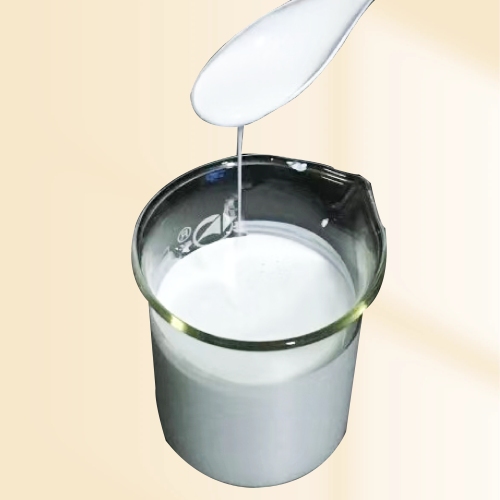
Environmental Considerations of Using Nano Zinc Oxide in Sunblock Products
Nano zinc oxide counts as safer for reefs than many chemical UV blockers, making nano zinc oxide sunblock a preferred choice for eco-conscious formulations. Some chemical sunblocks face bans in spots like Hawaii due to harm to corals from bleaching. Mineral guards like zinc oxide bring little eco-risk in proper mixes.
Shanghai BFP lines such as BFP-Z40S and BFP-ZDW fit green-minded blends. They owe this to their safe makeup and no irritation. On top, making them stress care and standards in GMP-approved plants.
Comparing Nano Zinc Oxide with Other Mineral and Chemical UV Filters
Here is how nano zinc oxide stacks up against common UV guards :
| Filter Type | INCI/Code | Spectrum Coverage | Solubility | Key Benefits |
|---|---|---|---|---|
| Nano Zinc Oxide | BFP-Z40SM/ZDW | UVA & UVB | Oil/Water | Full-spectrum mineral protection |
| Titanium Dioxide | BFP-T20SD/T20S | UVB & Partial UVA | Oil/Water | High opacity & whitening effect |
| Bemotrizinol | BFP-SP S | Broad-Spectrum | Oil | Excellent photostability |
| Diethylamino Hydroxybenzoyl Hexyl Benzoate | BFP-SP DHHB | UVA | Oil | Anti-aging efficacy |
| Ethylhexyl Triazone | BFP-SP EHT | UVB | Oil | High SPF boost with small concentration |
Nano zinc oxide leads in safety, skin fit, and full-range cover among mineral types. It pairs nicely with oil-friendly organic blockers like Bemotrizinol (BFP-SP S) in mixed sun setups.
FAQ
Q: Is nano zinc oxide safe for sensitive skin?
A: Yes, it is safe and has no stimulation. Products like BFP-Z40S are specifically designed to be non-irritating and suitable for all skin types.
Q: Does nano zinc oxide leave a white cast on the skin?
A: No. It has high transparency, is easy to spread on the skin, and is not whiten. This makes it ideal for daily-use sunscreens.
Q: What’s the difference between oil-soluble and water-soluble nano zinc oxide products?
A: Oil-soluble products like BFP-Z40SM are suited for water-resistant or oily formulations, while water-soluble ones like BFP-ZDW are better for lightweight lotions or hydrating creams.
Q: Can nano zinc oxide be combined with chemical filters?
A: Yes. It is compatible with organic and inorganic filters, enhancing performance when used in hybrid sunscreen systems.
Q: How does nano zinc oxide compare to titanium dioxide?
A: Zinc oxide offers broader spectrum protection covering both UVA and UVB rays effectively. Titanium dioxide primarily blocks UVB and partial UVA. Both serve different roles in formulating mineral sunscreens.