


Understanding Mineral UV Filters and Their Role in Sun Protection
Mineral UV filters serve as physical sunscreens. These filters function by taking in, bouncing back, and bending UV radiation. The primary elements consist of nano titanium dioxide or nano zinc oxide, along with organic and inorganic coatings. These filters form a physical shield on the skin’s surface. Mineral sunscreens begin protective action immediately after application, while chemical sunscreens need time to penetrate skin before they start converting UV rays into heat.
Shanghai BFP New Material Co., Ltd. provides a wide range of mineral UV filters in its suncare product line. For instance, Titanium dioxide (BFP-T10AHL) comes coated with Aluminum Hydroxide and Lauric acid. This coating renders it water-repellent and fitting for oil-based mixtures. Another example is Zinc oxide(BFP-Z40ST). It acts as a nano mineral UV filter with complete-spectrum sun defense.
The Rise of SPF 30 in Everyday Skincare Routines
SPF 30 has turned into a key standard for regular sunscreen application. It delivers strong protection. At the same time, it avoids the heavy feel that higher SPF often bring. Skin doctors often suggest SPF 30, and see it as a good mix of safety and comfort. People now understand more about the ongoing harm from daily UV exposure. This includes early aging and risks of skin cancer. As a result, more folks add SPF 30 to their everyday skincare habits.
Mineral UV filters SPF 30 products work well for this purpose. Examples include those made with Titanium dioxide(BFP-T20SD) or Zinc oxide(BFP-Z40SM). These offer solid UV protection.
Key Differences Between Mineral and Chemical UV Filters
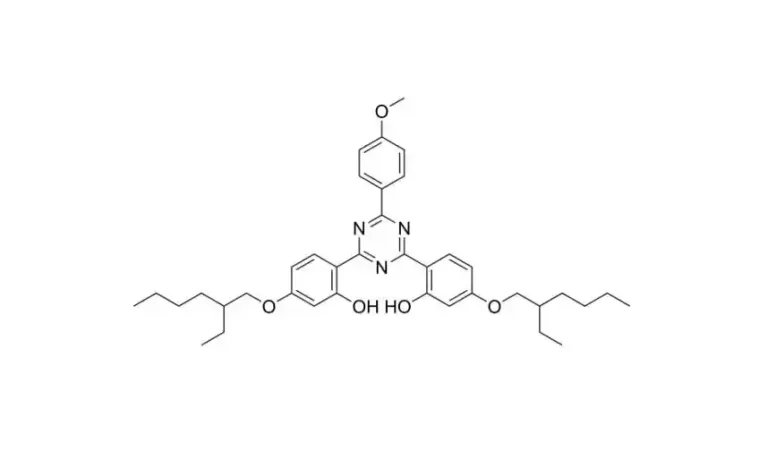
Mineral UV filters stand apart from chemical filters in how they operate. Chemical filters, such as Diethylamino Hydroxybenzoyl Hexyl Benzoate (BFP-SP DHHB), take in UV radiation. Then, they turn it into harmless heat. Mineral filters, however, stop the rays right at the skin’s surface.
Photostability marks another key difference. Mineral filters like BFP-T20SD show great stability under light. This type of filters does not break down in sunlight. Some chemical filters, by contrast, need added stabilizers to stay effective. Mineral sunscreens also cause fewer irritations. Moreover, they are kinder to the environment.
| Feature | Mineral Filters (BFP-T10AHL) | Chemical Filters (Ethylhexyl Triazone/BFP-SP EHT) |
| Mechanism | Reflects/absorbs UV on skin surface | Absorbs UV, converts to heat |
| Photostability | Highly stable | Excellent light stability |
| Immediate Effectiveness | Yes | Yes |
Why SPF 30 Is a Balanced Choice for Daily Use
SPF 30 stops about 97% of UVB rays. This gives solid protection for most routine tasks. It strikes a sensible balance between results and how it feels on the skin. This holds true especially when using mineral UV filters.
Items like BFP-TDO01, a lipophilic titanium dioxide slurry, help create blends that sit lightly on the skin. Yet, such blends still provide firm sun protection. SPF 30 also fits well for light outdoor time. Think of things like traveling to work or quick trips. Because of this, it stands as a top pick for daily users.
A Closer Look at Suncare Mineral UV Filters
The Suncare Mineral UV Filters has drawn notice for giving broad-spectrum protection and it uses non-chemical parts. These items match up well with Shanghai BFP’s range. Examples include Zinc oxide(BFP-Z40S) and Titanium dioxide(BFP-T20S). Such options suit water-based setups, offering high clarity. Best of all, they avoid any whitening look.
Formulators can adjust these mixes. They might use hydrophilic titanium dioxide slurries like BFP-TDW. Or, they could pick lipophilic choices such as BFP-TDO02. This flexibility lets creators build light sunscreens with top performance. The end result suits various skin needs.

Environmental and Health Considerations Driving the Shift to Mineral UV Filters
Worries about harm to coral reefs and absorption into the body push people toward safe, non-toxic options. Mineral filters like BFP-Z40ST fit this need. Such filters remain safe and non-irritating, delivering full UVA and UVB coverage. What is more, these options lack the hormone disruptors linked to chemical filters.
Shanghai BFP focuses on green practices. It supplies ingredients with minimal harm to nature. The company pledges to sustainable growth. In production, it takes steps to protect the environment. For example, it relies on clean energy sources. It refines processes to cut waste. It also employs recyclable packaging. All this helps lower greenhouse gas output.
Application Tips to Maximize the Effectiveness of Mineral SPF 30 Products
To achieve the best outcomes from mineral SPF 30 sunscreens, follow these steps:
- Apply Generously: A pea-sized amount per facial zone ensures even coverage.
- Wait Before Makeup: The process of makeup application requires users to wait for 5 to 10 minutes before they can begin using additional makeup products.
- Use as Last Step in Skincare: The product should be applied after moisturizer but before foundation.
- Check Formulation Compatibility: Water-based sunscreens should be applied before water-based makeup products, and sunscreen products should be applied before water-based makeup products.
Blends using products like BFP-TDO01 hold strong stability over time. These products also give a pleasant feel to the skin. When you use items with this, the skin stays comfortable. It can breathe freely without any weight.
FAQ
Q: What is the difference between mineral and chemical UV filters in sunscreen?
A: Mineral filters sit on the skin’s surface and reflect UV rays, while chemical filters absorb UV rays and convert them to heat.
Q: Is SPF 30 enough for daily sun protection?
A: Yes, SPF 30 blocks approximately 97% of UVB rays, making it ideal for daily use under normal sun exposure conditions.
Q: Are mineral UV filters safe for sensitive skin?
A: Yes, mineral filters like those offered by Shanghai BFP are inert, non-toxic, and well-suited for sensitive or allergy-prone skin.
Q: Can I wear makeup over mineral sunscreen?
A: Absolutely. Products like BFP-T20SD provide a smooth finish that pairs well under makeup when applied correctly.
Q: What makes Shanghai BFP’s mineral UV filters environmentally friendly?
A: The organization implements sustainable development principles through its deployment of clean energy systems and its recycling initiatives for packaging materials and its optimization of production processes to achieve reduced emissions.