



Introduction
Sun exposure remains a major factor in early aging and skin harm. Picking the proper sunscreen is now vital for everyday skin routines. Among different sun-blocking elements, organic UV filter in sunscreen serves a key function in protecting skin from damaging ultraviolet (UV) rays. These chemical substances soak up UV rays. They turn them into safe heat. This stops the rays from reaching the skin.
By effectively neutralizing UV radiation, organic filters help reduce the risk of sunburn, premature aging, and long-term skin damage, making them essential for daily skincare protection.
What are Organic UV Filters in Sunscreen
Organic UV filters, sometimes called chemical UV filters, are substances built to take in UV radiation. They change it into safer energy forms, like heat. Mineral filters, which are physical ones, bounce or spread UV rays instead. Organic filters operate in the skin’s top layers. These chemical items absorb UV radiation. They form essential parts of sunscreen items.
People often use organic UV filters in beauty products because they work well. They have a smooth feel. They also mix nicely with other skin care products. Their skill in hitting certain wavelengths—UVA, UVB, or both—lets them fit various SPF needs and full-range protections.
How Organic UV Filters Absorb and Dissipate Ultraviolet Radiation
Organic UV filters work by taking in strong UV photons. They release this energy via changes in their structure. The taken-in radiation usually turns into warmth, or thermal energy. Then, the skin lets it go without issue. This process blocks UV-caused harm to DNA. It also stops early aging from light and skin cancer growth.
For instance, Diethylamino Hydroxybenzoyl Hexyl Benzoate(BFP-SP DHHB) is an organic oil-friendly UV filter. It has strong uptake in the UVA area. It takes in UVA rays between 352–356 nm. This gives defense against long UVA waves that lead to deep skin wear. In the same way, Ethylhexyl Triazone stands out as the top oil-friendly UVB filter. It has peak uptake at 314 nm. Thus, it suits shielding skin from burns caused by the sun.

Common Types of Organic UV Filters Used in Sunscreens
Shanghai BFP supplies various strong organic UV filters in sunscreen for today’s sunscreens. The table below compares their main traits:
| Product Name | INCI Name | UV Range | Solubility | Key Features |
|---|---|---|---|---|
| Bisoctrizole (BFP-SP M) | Methylene Bis-Benzotriazolyl Tetramethylbutylphenol | UVA + UVB + Blue Light | Water-dispersible | Triple effect: absorb, scatter & reflect; highly photostable |
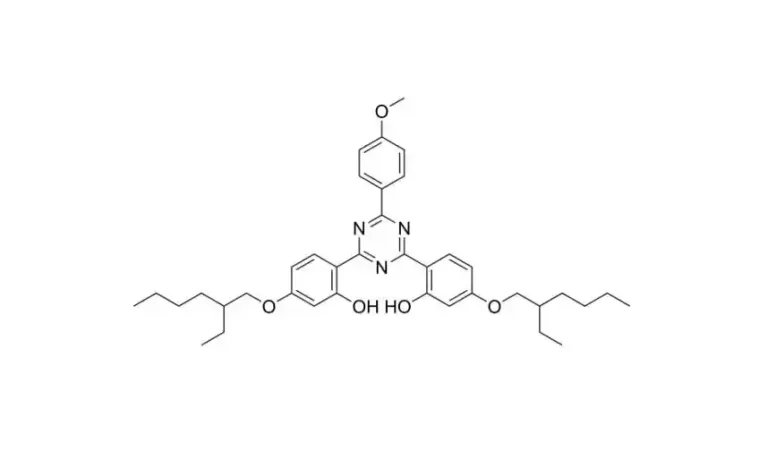
| BFP-SP S | Bis-Ethylhexyloxyphenol Methoxyphenyl Triazine | UVA + UVB | Oil-soluble | Most efficient oil-soluble broad-spectrum filter |
| BFP-SP DHHB | Diethylamino Hydroxybenzoyl Hexyl Benzoate | UVA | Oil-soluble | High UVA absorption; antioxidant; excellent formulation flexibility |
| BFP-SP EHT | Ethylhexyl Triazone | UVB | Oil-soluble | Highest UVB absorbance; high SPF performance at low concentrations |
| BFP-SP TDSA | Terephthalylidene Dicamphor Sulfonic Acid | UVAII–UVAI | Water-soluble | Odorless; photostable; enhances compatibility in water-based systems |
Every item brings special benefits. Take Bisoctrizole, for example. It serves as a UV filter by taking in UVA light. Its small particle size lets it scatter and bounce UV light, too. Plus, it soaks up blue light, also fits water-based sunscreens well.
Terephthalylidene dicamphor sulfonic acid (TDSA), or BFP-SP TDSA, helps create light sun cream textures. It works smoothly with other organic filters like DHHB. As a result, it builds even mixtures with better light stability.
How to Choose a Sunscreen with Effective Organic UV Filters
Selecting a sunscreen with solid organic UV filters calls for thought on your skin type, time in the sun, and skin texture:
- Broad-Spectrum Protection: Pick items that mix UVA and UVB filters, such as BFP-SP S and BFP-SP EHT. This setup gives full sun guard.
- Photostability: Go for filters that hold up well in sunlight. Bisoctrizole shows very good light stability. Therefore, it keeps SPF strength lasting.
- Skin Compatibility: Water-friendly filters like BFP-SP TDSA suit easy formulas. These avoid a sticky or thick sense on oily or spot-prone skin.
- Combination Formulas: Many top sunscreens blend items that boost each other. For example, pairing DHHB with EHT yields a strong SPF mix. It also adds a guard against oxidation.
- Product Source: Choose trusted makers like Shanghai BFP New Material Co., Ltd. This company runs quality checks in GMP-approved plants in China. They also offer cutting-edge research help.
Whether you want a sunscreen with bisoctrizole or seek a UVA-focused shield, knowing these filter kinds aids smart choices.
Conclusion
Organic UV filters stand as key tools in current sun care mixes. They soak up bad rays. They also have better skin touch and mixed strength. Their many roles deserve strong notice.
Shanghai BFP gives a single-stop buy choice for buyers. They supply complete lines of aging-fight materials. This includes top organic UV filters like bisoctrizole (BFP-SP M), bemotrizinol (BFP-SP S), and DHHB (BFP-SP DHHB). These advanced ingredients ensure high-blooded protection against UV damage.
FAQ
Q: What are organic UV filters in sunscreen?
A: Organic UV filters in sunscreen are chemical compounds that absorb ultraviolet radiation and convert it into heat, thereby preventing skin damage from the sun.
Q: Which organic UV filter provides the best broad-spectrum protection?
A: BFP-SP S offers highly effective, organic, oil-based broad-spectrum UVA and UVB protection.
Q: Is bisoctrizole suitable for sensitive skin?
A: Yes, Bisoctrizole is especially suitable for use in the personal care industry as a functional raw material in sunscreen formulations. Its triple action (absorption, scattering, reflection) makes it ideal for sensitive applications.
Q: Can I use a sunscreen that contains both DHHB and EHT?
A: Absolutely. These two filters complement each other well—DHHB provides strong UVA protection while EHT is an efficient UVB filter, resulting in balanced broad-spectrum coverage.
Q: Where can I purchase sunscreens with these specific organic filters?
A: You can source raw materials like bisoctrizole or DHHB directly from Shanghai BFP New Material Co., Ltd., which supplies high-quality sun care ingredients.